






# The Game-Changing Part Catcher That Every CNC Shop Needs
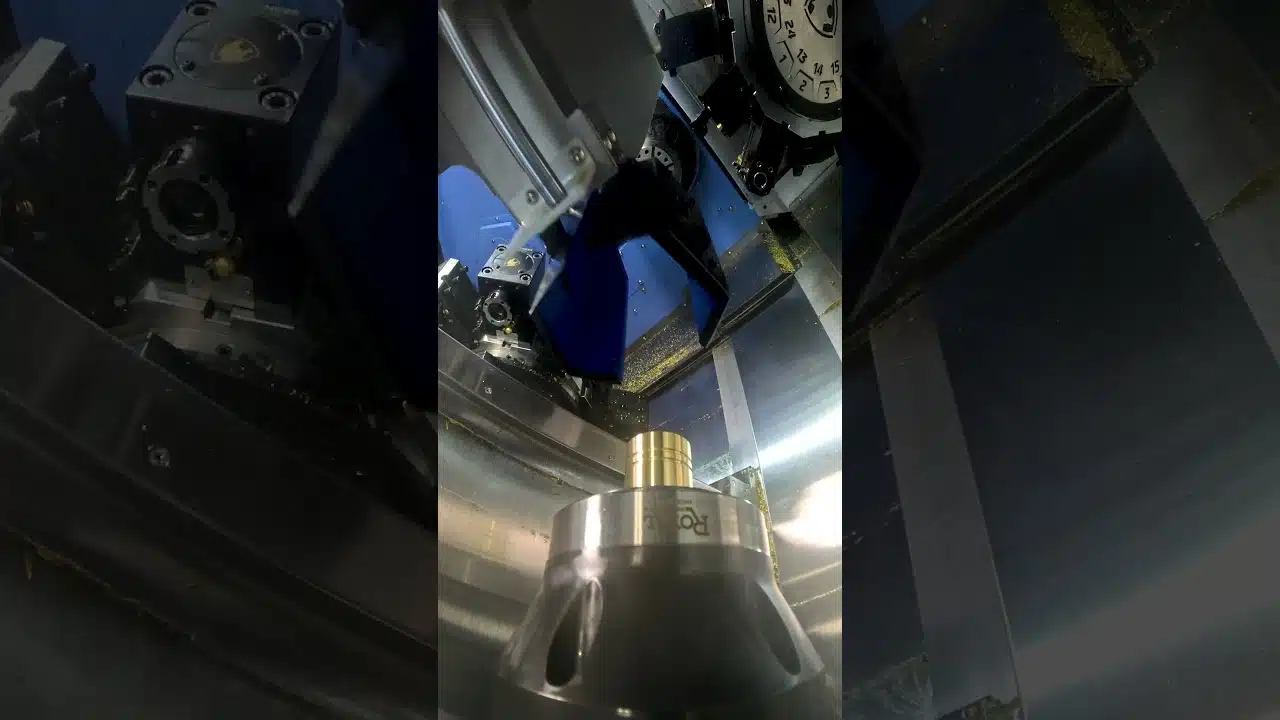
If you’ve spent any time in a CNC machine shop, you know the constant challenge of managing finished parts as they come off the machine. Parts can get damaged from falling, operators need to constantly monitor the machine, and productivity suffers when you have to stop to collect parts. That’s why this innovative part catcher featured by Donnie Hinske is turning heads in the CNC machining community.
## Why Part Catchers Matter in CNC Machining
In high-volume CNC production, every second counts. Traditional methods of part collection often involve:
– Manual collection by operators
– Parts falling into chip bins where they can get damaged
– Frequent machine stops to clear parts
– Risk of parts bouncing back into the cutting area
A well-designed part catcher solves these issues by automatically collecting finished parts safely and efficiently, allowing for longer unattended machine operation.
## What Makes This Part Catcher Awesome
While the specific details of this part catcher aren’t fully visible in the brief video, several features typically make a part catcher stand out:
### 1. **Reliable Part Collection**
The best part catchers ensure that every finished part is captured without fail, preventing damage from drops and eliminating the need for constant operator attention.
### 2. **Easy Installation**
Modern part catchers are designed to fit various CNC machines without major modifications, making them accessible for shops of all sizes.
### 3. **Durability**
In the harsh environment of a CNC machine, with coolant, chips, and constant vibration, a part catcher needs to be built tough to last.
### 4. **Space Efficiency**
Good part catchers don’t interfere with machine operation or take up valuable floor space around the machine.
## Benefits for Your CNC Operation
### Increased Productivity
With automatic part collection, operators can focus on other tasks while the machine runs, effectively increasing shop capacity without adding staff.
### Improved Part Quality
Parts are collected gently, preventing the dings and scratches that can occur when parts fall into a chip conveyor or collection bin.
### Enhanced Safety
Reducing the need for operators to reach into the machine area for part collection significantly decreases the risk of accidents.
### Cost Savings
Fewer damaged parts, increased machine uptime, and improved operator efficiency all contribute to a healthier bottom line.
## Implementing Part Catchers in Your Shop
If you’re considering adding part catchers to your CNC machines, here are some factors to consider:
1. **Part Size and Weight** – Ensure the catcher can handle your typical part dimensions
2. **Production Volume** – Higher volumes justify more sophisticated catching systems
3. **Machine Compatibility** – Verify the catcher will work with your specific CNC models
4. **ROI Calculation** – Factor in labor savings, reduced scrap, and increased uptime
## The Future of Automated Part Handling
As CNC shops continue to push for lights-out manufacturing and increased automation, part catchers represent just one piece of the puzzle. When combined with automatic bar feeders, robotic part handling, and advanced monitoring systems, they help create truly autonomous manufacturing cells.
## Conclusion
While it might seem like a simple addition to a CNC machine, a quality part catcher can have a significant impact on shop productivity and profitability. As Donnie Hinske’s video demonstrates, finding the right solution for your operation can be a game-changer. Whether you’re running a small job shop or a high-volume production facility, investing in proper part handling automation is a step toward more efficient, profitable machining.
The enthusiasm in the CNC community for innovations like this part catcher shows that even seemingly small improvements can make a big difference in daily operations. As manufacturing technology continues to evolve, it’s these practical solutions that help shops stay competitive and profitable in an increasingly demanding market.
What Should I Do Right Now?
If you’re evaluating new machining processes or equipment, our team can help you determine the best approach for your specific parts, offering guidance, insights, and practical recommendations based on your production needs and goals. Whether you’re optimizing existing workflows or exploring new manufacturing methods, we’re here to support your decision-making.


You Might Also Like
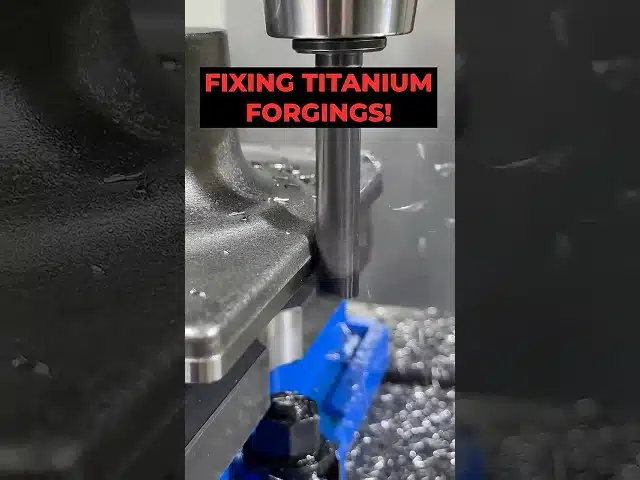
Fixing Titanium Forgings with CNC Machining: Challenges, Techniques & Expert Tips
# Fixing Titanium Forgings: The Art and Science of CNC Machining Titanium forgings are among the most challenging workpieces in the world of CNC machining.…
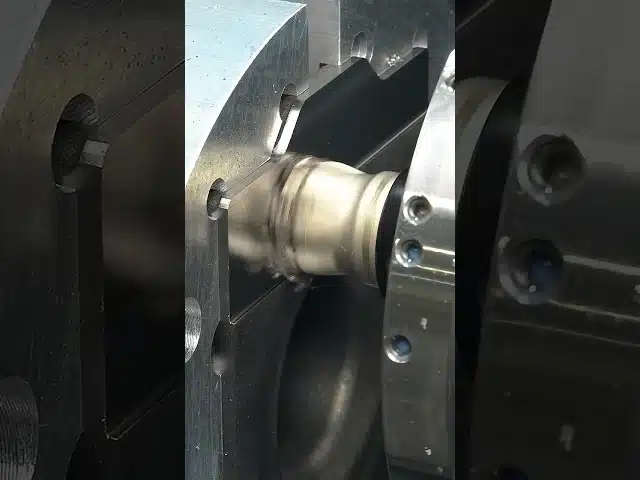
EATER of Titanium: Watch This CNC Machine Devour Titanium Like Butter
# EATER of Titanium: The CNC Machine That Devours the Toughest Metal There’s something deeply satisfying about watching a CNC machine tear through titanium like…
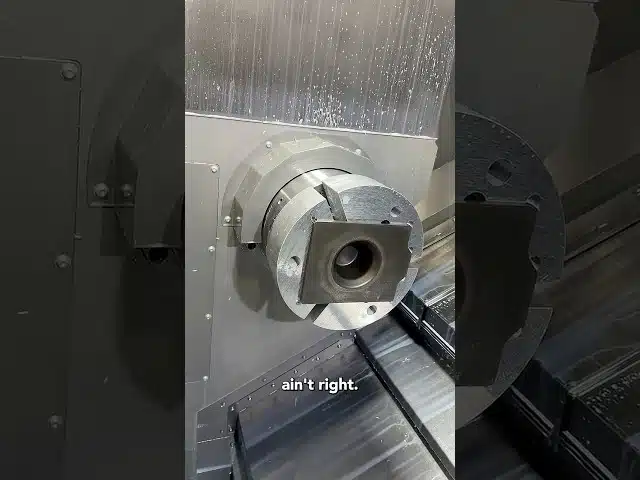
Crazy Titanium CNC Machining Part – Day 1 | Donnie Hinske’s Epic Build
# Crazy Titanium Part | Day 1: The CNC Machining Journey Begins There’s something deeply satisfying about watching raw titanium transform into a precision-engineered component…