





Editor’s note: This summary is based only on the video’s title, channel, and tags (#cnc #machine #sale #cncmachine #first). I could not review the video itself, so please check it against the footage and add specifics such as the machine model, price, and condition before publishing.
Donnie Hinske’s latest upload, “This is a first for this channel,” marks a milestone: a CNC machine is going up for sale. For a channel built around making chips and sharing shop life, offering a machine to other machinists is a notable change. It also raises questions that every shop owner and hobbyist eventually faces.
Why this topic matters
Machine tools are among the biggest investments a shop makes, and the used market is where many small shops and home machinists find their best value. Knowing how to buy or sell well can affect cash flow, capacity, and long-term growth. A transparent sale, especially one shown to an audience of fellow machinists, gives a practical look at how those transactions work.
Key themes to take away
- Know when to move equipment. Machines are sold when workflow changes, when upgrading, or when floor space and capital are better used elsewhere. Reviewing what a machine earns against what it costs is a healthy habit.
- Document the condition. Buyers want hours, maintenance history, tooling, accessories, and a demonstration of the machine running. Clear photos and video build trust and reduce haggling.
- Price realistically. Check comparable listings, factor in age, control type, and included tooling, and consider how hard the machine is to transport.
- Plan logistics early. Rigging, freight, power requirements, and installation often determine whether a deal closes. Spell out who handles loading and shipping.
- Be upfront about flaws. Honest disclosure of wear, quirks, or needed repairs protects your reputation and keeps the sale smooth.
Industry context
The used CNC market stays active because new machine lead times and costs can be steep. Content creators who sell equipment also show a practical side of the trade that is rarely covered: the business decisions around the machining itself.
Practical takeaway
Whether you’re buying or selling, treat the transaction like a project. Inspect carefully, document everything, set clear terms, and understand the total cost of ownership. Watch the video for the specifics of this machine, and consider how the same approach applies to your own shop.
What Should I Do Right Now?
If you’re evaluating new machining processes or equipment, our team can help you determine the best approach for your specific parts, offering guidance, insights, and practical recommendations based on your production needs and goals. Whether you’re optimizing existing workflows or exploring new manufacturing methods, we’re here to support your decision-making.
You Might Also Like

How to Flip a Heavy Workpiece on a CNC Machine: Second-Op Setup Tips from Donnie Hinske
Flipping a heavy part for its second operation is one of the riskiest moments in CNC machining. Donnie Hinske's video, 'So NOW we are gonna…
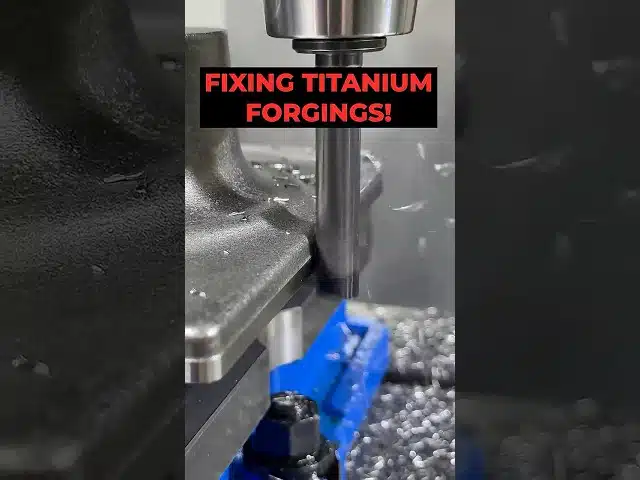
Fixing Titanium Forgings with CNC Machining: Challenges, Techniques & Expert Tips
# Fixing Titanium Forgings: The Art and Science of CNC Machining Titanium forgings are among the most challenging workpieces in the world of CNC machining.…
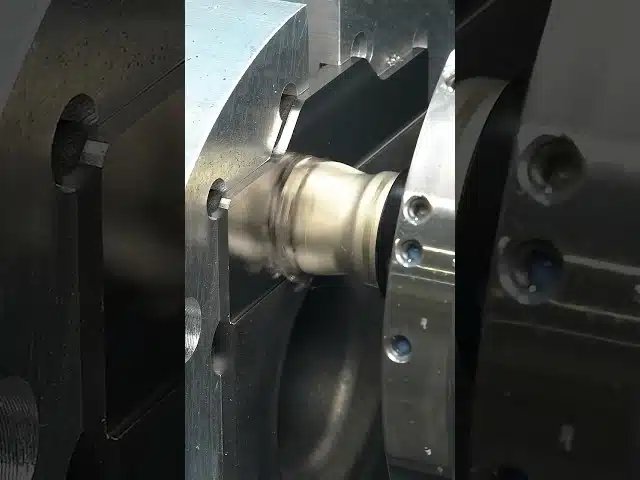
EATER of Titanium: Watch This CNC Machine Devour Titanium Like Butter
# EATER of Titanium: The CNC Machine That Devours the Toughest Metal There’s something deeply satisfying about watching a CNC machine tear through titanium like…