






## Cermet VS. Carbide: Understanding the Key Differences in CNC Machining
When it comes to CNC machining, choosing the right cutting tool material can make all the difference in your production efficiency, tool life, and final product quality. Two of the most popular cutting tool materials in modern machining are cermet and carbide. But what exactly sets them apart, and when should you use each one?
### What is Carbide?
Carbide, specifically tungsten carbide, has been the workhorse of the machining industry for decades. It’s a composite material made primarily of tungsten carbide particles bonded together with cobalt. This combination creates an extremely hard and wear-resistant material that can withstand the high temperatures and forces encountered during machining operations.
**Key characteristics of carbide:**
– Excellent hardness (typically 89-93 HRA)
– High wear resistance
– Good thermal shock resistance
– Versatile across many materials
– Proven track record in various applications
### What is Cermet?
Cermet, a portmanteau of “ceramic” and “metal,” is a composite material that combines ceramic particles (typically titanium carbonitride) with a metallic binder (usually nickel or cobalt). Developed as an alternative to traditional carbide, cermet offers unique properties that make it ideal for specific machining applications.
**Key characteristics of cermet:**
– Superior hardness (typically 91-94 HRA)
– Excellent surface finish capabilities
– Lower coefficient of friction
– Better chemical stability at high temperatures
– Reduced tendency for built-up edge formation
### Performance Comparison: Cermet VS. Carbide
#### 1. **Wear Resistance**
Cermet generally offers superior wear resistance in finishing operations, particularly when machining steels at high speeds. The ceramic component provides excellent resistance to abrasive wear, while carbide excels in applications requiring impact resistance.
#### 2. **Surface Finish**
One of cermet’s standout features is its ability to produce exceptional surface finishes. The lower coefficient of friction and reduced tendency for material adhesion make cermet ideal for finishing operations where surface quality is paramount.
#### 3. **Toughness and Impact Resistance**
Carbide takes the lead when it comes to toughness. Its superior fracture toughness makes it better suited for interrupted cuts, heavy roughing operations, and unstable machining conditions where tools experience significant mechanical shock.
#### 4. **Temperature Performance**
Both materials perform well at high temperatures, but cermet maintains its hardness better at elevated temperatures. This makes cermet particularly effective for high-speed finishing operations where heat generation is significant.
### When to Choose Carbide
Carbide remains the go-to choice for:
– **Roughing operations** requiring high material removal rates
– **Interrupted cutting** applications
– **Machining cast iron** and non-ferrous materials
– **General-purpose machining** where versatility is key
– **Unstable setups** where vibration might be an issue
### When to Choose Cermet
Cermet excels in:
– **Finishing operations** on steel and stainless steel
– **High-speed machining** applications
– **Operations requiring superior surface finish**
– **Long production runs** where consistent quality is critical
– **Dry machining** or minimal coolant applications
### Practical Considerations for CNC Machinists
#### Cost Analysis
While cermet tools typically cost more upfront than carbide, they can offer better value in appropriate applications through:
– Longer tool life in finishing operations
– Reduced cycle times due to higher cutting speeds
– Fewer tool changes
– Better part quality reducing rework
#### Application Testing
As demonstrated in various machining tests, the performance difference between cermet and carbide can be application-specific. It’s essential to:
– Conduct test cuts with both materials
– Monitor tool wear patterns
– Evaluate surface finish quality
– Calculate overall cost per part
### The Future of Cutting Tool Materials
The ongoing development of both cermet and carbide technologies continues to blur the lines between these materials. Advanced coatings, improved binder systems, and optimized grain structures are pushing the performance boundaries of both material families.
### Conclusion
The choice between cermet and carbide isn’t about one being universally better than the other—it’s about selecting the right tool for your specific application. While carbide remains the versatile workhorse of the machining industry, cermet offers compelling advantages in finishing operations and high-speed machining of steels.
For CNC machinists and manufacturing engineers, understanding these differences enables better tool selection, optimized cutting parameters, and ultimately, improved productivity and part quality. As machining technology continues to evolve, both cermet and carbide will play crucial roles in meeting the increasingly demanding requirements of modern manufacturing.
Remember: the best cutting tool is the one that delivers the required part quality at the lowest total cost per part in your specific application. Whether that’s cermet or carbide depends on your unique machining challenges.
What Should I Do Right Now?
If you’re evaluating new machining processes or equipment, our team can help you determine the best approach for your specific parts, offering guidance, insights, and practical recommendations based on your production needs and goals. Whether you’re optimizing existing workflows or exploring new manufacturing methods, we’re here to support your decision-making.


You Might Also Like
Fixing Titanium Forgings with CNC Machining: Challenges, Techniques & Expert Tips
# Fixing Titanium Forgings: The Art and Science of CNC Machining Titanium forgings are among the most challenging workpieces in the world of CNC machining.…
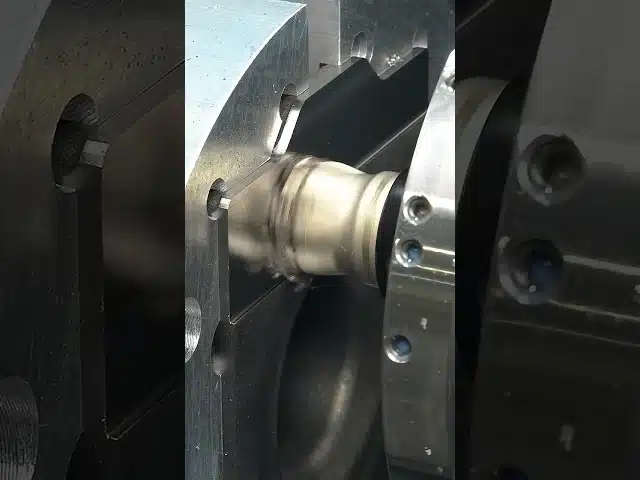
EATER of Titanium: Watch This CNC Machine Devour Titanium Like Butter
# EATER of Titanium: The CNC Machine That Devours the Toughest Metal There’s something deeply satisfying about watching a CNC machine tear through titanium like…
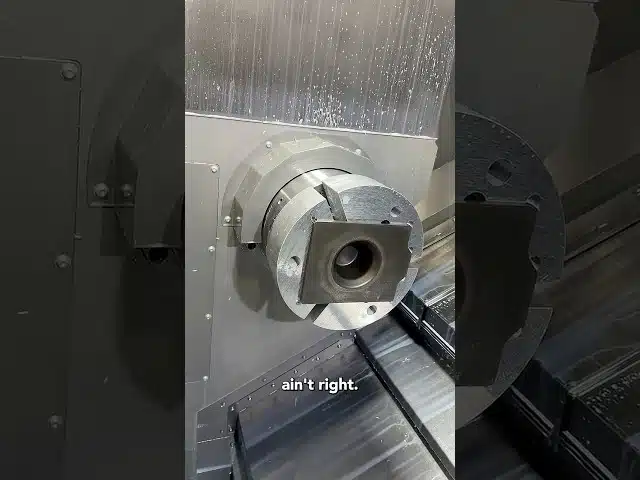
Crazy Titanium CNC Machining Part – Day 1 | Donnie Hinske’s Epic Build
# Crazy Titanium Part | Day 1: The CNC Machining Journey Begins There’s something deeply satisfying about watching raw titanium transform into a precision-engineered component…