







What is a Swiss lathe? It’s a slidingheadstock CNC lathe that feeds bar stock through a guide bushing so the material is supported right next to the cutting tool. That geometry is why Swisstype machines excel at long, slender, highprecision parts.
What really is a SwissType Lathe?
On a Swisstype (also called slidingheadstock or automatic lathe), a collet in the headstock grips the bar. The headstock itself moves in Z, pushing the bar through a guide bushing that’s positioned within a millimeter or two of the tool tip. Because the stock is supported so close to the cut, deflection is minimized. Most Swiss machines also have a subspindle (back spindle) that grabs the part after cutoff to finish backside features in the same cycle, and they use gang toolposts with live tooling for cross holes, flats, and milling features. Many run unattended with a bar feeder.
Key takeaway: Supporting the workpiece at the cut is the Swiss advantage. That’s why these machines make tiny watch parts, pins, bone screws, and aerospace fasteners with ease.
Why SwissType Lathes Deliver Precision
- Nearcut support = less bending. The guide bushing backs the bar at the point of cut, which is why Swiss excels on parts with high lengthtodiameter (L/D) ratios.
- Multioperation, singlesetup. Modern Swiss platforms combine turning, drilling, and milling—often with simultaneous main/subspindle work—to avoid reclamps that stack error.
- Micronscale work, small diameters. Commercial ranges cover diameters from micro (≤1 mm) up to ~38–42 mm depending on model.
Swiss vs. FixedHead (Chucker) Lathes—What’s the Difference?
- Swisstype (sliding headstock + guide bushing): best for long, thin bar work; tool cuts beside the bushing to prevent sag.
- Fixedhead (chucker): headstock stays put; the tool moves. Better for shorter, thicker parts and heavier milling loads. Miyano (Citizen’s fixedhead brand) is designed for this kind of work and commonly handles bar up to Ø64 mm.
Convertible “Swisschucker” mode. Many Swiss machines can run with or without a guide bushing. Running bushless shortens the bar remnant and often lets you use lessexpensive colddrawn bar instead of precisionground stock—helpful when parts are short.
What Parts Are Ideal for a SwissType Lathe?
- Medical bone screws & implants: typically made using a threadwhirling head on a Swiss machine for speed and form accuracy.
- Electrical & electronic connectors, pins, probes: tiny diameters and tight concentricity are routine in Swiss.
- Aerospace fasteners & hydraulic components: long, turned features with cross holes or grooves in one setup.
- Watch/micromechanical parts: the original Swiss domain—microdiameter turning with excellent finish.
Features That Matter (and Why)
1) Guide bushing (GB) vs. guidebushingless (GBL)
- GB mode: best for long, slender parts; requires straighter bar and leaves a longer remnant.
- GBL mode (“chucker mode”): great for short parts; reduces remnant and relaxes barquality requirements. Many Citizen Cincom models switch modes in under 30 minutes.
2) Live tooling, Yaxis (and sometimes Baxis)
- Live tools and Yaxis let you drill/mill features without leaving the lathe. Citizen’s L12 adds a Y2 axis on the back working side; the L32 offers optional Baxis with ATC for angled holes and complex contours—handy on medical and implant work.
3) Subspindle (back working)
- Pickoff and finish the back side incycle; no second setup.
4) Overlapped, simultaneous machining
- Many Swiss machines cut on main and sub at the same time or even run two turning tools at once, shrinking cycle time significantly.
5) Chip control (HPC & LFV)
- Highpressure coolant (HPC) at roughly 70–80 bar (≈1,015–1,160 psi) is widely used for chip breaking, tool life, and deephole drilling; specialized systems for Swiss reach 1,000–2,000 psi.
- Citizen LFV (LowFrequency Vibration) cutting is a control function that programmatically breaks chips—reducing nests, peck cycles, and operator intervention. It can even reduce reliance on very highpressure coolant in some materials.
Do I Need a SwissType Lathe? (Simple Decision Guide)
Choose a Swisstype when you need to:
- Hold small diameters and long features with minimal deflection (think shafts, pins, cannulated parts).
- Complete the part in one setup (turning + cross drilling/milling + backworking).
- Run lightsout from bar to stabilize throughput on mediumtohigh volumes.
- Produce bone screws or complex threads efficiently with whirling.
Consider a fixedhead (Miyano) turning center when:
- Parts are shorter, thicker, or require heavier milling on the lathe (turretstyle rigidity). Citizen’s Miyano line targets exactly this space.
Citizen Cincom (Swiss) & Miyano (FixedHead): How They Map to Your Work
Dynamic Machine represents Citizen (Cincom & Miyano)—so we’ll highlight two popular families and when each fits.
- Cincom L12 (Ø12 mm, optional Ø16 mm) — convertible GB/GBL: Switch between slidinghead (long parts) and chucker (short parts) in <30 minutes; 15,000rpm main spindle; live tools to 10,000 rpm. Ideal for small, precise components with backside work on the subspindle.
- Cincom L20/L32 (Ø20/Ø32 mm): Modular models with Yaxis and optional Baxis/ATC (L32) for angled features—strong choices for largerdiameter Swiss jobs or complex medical/implant geometries.
- Miyano fixedhead turning centers: Built for shorter, thicker parts with turret capability and high rigidity; Citizen lists bar capacities up to Ø64 mm in this class.
Dynamic Machine sells and services Citizen/Miyano locally and offers demo access and builder training calendars.
Practical Spec Tips (Before You Buy)
- Diameter & L/D ratio
If your part is long relative to its diameter, favor a slidinghead machine. If it’s short and stout, a fixedhead often wins. - Bar quality & remnants
In GB mode, Swiss machines typically prefer precisionground bar and leave a longer remnant; GBL mode (bushless) can shorten remnants and accept lowercost bar. - Operations in cycle
Need cross holes, flats, slots, or angled features? Look for live tooling, Yaxis, and (when needed) Baxis. - Cycle time levers
Ask about overlapping main/sub operations and twintool rough/finish strategies; some machines permit two tools cutting simultaneously. - Chip control
Plan on HPC and/or LFV for tough alloys and stringy materials to keep chips short and processes stable.
FAQ’s
What exactly makes a lathe “Swiss”?
The sliding headstock that feeds bar through a guide bushing right by the tool. That’s the defining feature and the reason Swiss handles long, slender parts so well.
Is Swiss only for very long parts?
No. Many modern Swiss machines run without a guide bushing (GBL/chucker mode) for short parts—saving material and barprep costs.
How big can Swiss go?
Most Swiss platforms focus on small diameters, but product lines cover micro sizes up to around 38–42 mm, depending on the model. For larger work, a fixedhead Miyano is typically the right call.
Do I need highpressure coolant for Swiss turning?
It’s common and highly effective; typical machine capability is ~70–80 bar and dedicated Swiss HPC systems reach 1,000–2,000 psi. For malleable or stringy materials, Citizen’s LFV chipbreaking can further stabilize cutting and reduce manual chip clearing.
What about bone screws?
They’re often produced on Swiss machines using threadwhirling heads for speed and accuracy.
Why Shops Work with Dynamic Machine on Swiss
Buying a Swiss is buying a process, not just a machine. Dynamic Machine pairs Citizen Cincom and Miyano platforms with the application engineering to hit your print—tooling/fixturing, validated programs, acceptance (runoff) and training to ramp your team quickly—plus service and parts support in Michigan and Ontario.
Ready to see if Swiss is right for your part?
Bring us your print (material, L/D, volumes, target cycle time). We’ll recommend a Cincom Swiss or Miyano fixedhead configuration, outline GB vs. GBL tradeoffs, and map the chipcontrol strategy (HPC, LFV) to run reliably—then back it with local training and support.
What Should I Do Right Now?
If you’re evaluating new machining processes or equipment, our team can help you determine the best approach for your specific parts, offering guidance, insights, and practical recommendations based on your production needs and goals. Whether you’re optimizing existing workflows or exploring new manufacturing methods, we’re here to support your decision-making.


You Might Also Like
CNC Lathe Cutter Compensation Guide: Master G40, G41, G42 Programming
# Understanding Cutter Compensation on CNC Lathes: A Complete Guide Cutter compensation is one of the most powerful yet often misunderstood features in CNC lathe…
Why This CNC Part Catcher is Revolutionizing Machine Shop Productivity
# The Game-Changing Part Catcher That Every CNC Shop Needs If you’ve spent any time in a CNC machine shop, you know the constant challenge…
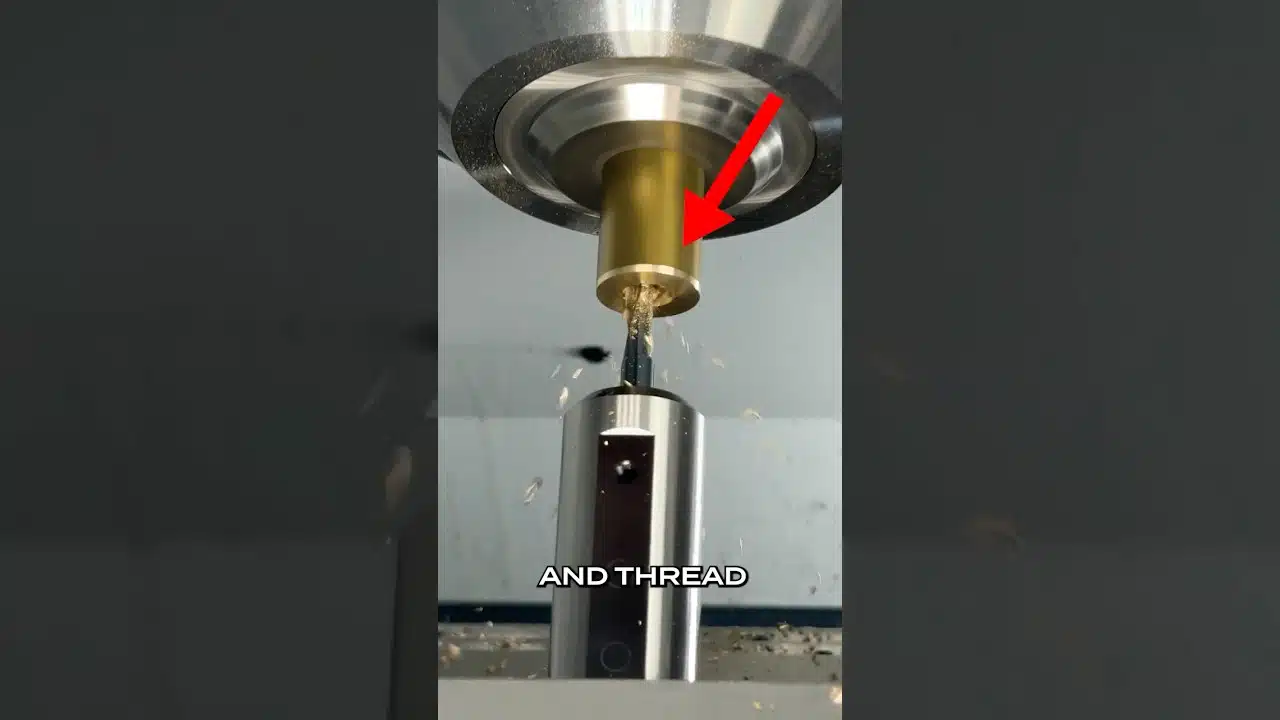
Swiss Army Knife CNC Programming: Master Multi-Function Swiss Lathe Operations
# Swiss Army Knife For Your Swiss Machine: Mastering Multi-Function CNC Programming In the world of precision manufacturing, Swiss-type CNC machines are renowned for their…