






# A Tiny Tool in a Big Machine: The Art of Precision CNC Machining
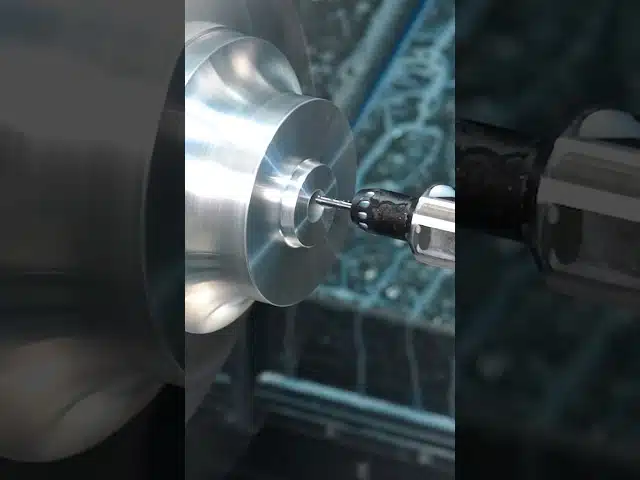
There’s something incredibly satisfying about watching a tiny cutting tool get to work inside a massive CNC machine. It’s one of those contrasts in manufacturing that never gets old — a delicate, precision-ground tool spinning at high RPMs, mounted in a machine that weighs thousands of pounds, removing material with surgical accuracy.
Donnie Hinske recently shared a fantastic look at exactly this scenario, and it’s a perfect reminder of why CNC machining continues to captivate machinists, engineers, and manufacturing enthusiasts alike.
## Why Small Tools in Large Machines?
At first glance, it might seem like overkill — why use a massive CNC machine to run a tiny tool? But experienced machinists know there are plenty of good reasons:
– **Rigidity matters.** A larger machine provides a more rigid platform, which means less vibration and chatter, even when running small tools. This translates directly to better surface finishes and longer tool life.
– **Workpiece size.** Sometimes the part itself is large, but the features being machined are small and intricate. You need the travel and envelope of a big machine, but the detail work demands a tiny tool.
– **Versatility.** In a job shop environment, you work with what you’ve got. If the big machine is available and set up, it makes sense to run the job there rather than wait for a smaller machine to free up.
## The Challenges of Running Tiny Tools
Running small-diameter tools comes with its own set of challenges that every machinist needs to respect:
### Speed and Feed Calculations
Small tools require significantly higher spindle speeds to achieve the proper surface footage. A 1/16″ end mill, for example, needs to spin much faster than a 1/2″ end mill to maintain the same chip load. Getting the feeds and speeds wrong with a tiny tool doesn’t give you a second chance — it simply snaps.
### Tool Deflection
The smaller the tool, the more susceptible it is to deflection. This is where the rigidity of a larger machine can actually work in your favor, but the programmer still needs to account for step-over, depth of cut, and cutting forces to keep deflection within acceptable limits.
### Coolant and Chip Evacuation
With tiny tools, chip evacuation becomes critical. A single re-cut chip can spell disaster for a miniature end mill. Proper coolant delivery — whether flood, mist, or air blast — needs to be dialed in to keep the cutting zone clear.
## The Beauty of CNC Machining
Videos like this one from Donnie Hinske showcase what makes CNC machining such a compelling field. There’s an inherent beauty in the contrast between raw mechanical power and microscopic precision. A machine capable of hogging out pounds of steel can also delicately trace features measured in thousandths of an inch.
It’s this versatility and precision that keeps machinists passionate about their craft. Whether you’re a seasoned veteran or just getting started in the world of CNC, there’s always something new to learn and appreciate.
## Tips for Running Small Tools Successfully
If you’re looking to run tiny tools in your CNC machine, here are some practical tips to keep in mind:
1. **Double-check your speeds and feeds.** Use a reliable calculator and don’t guess. Small tools are unforgiving.
2. **Minimize tool stickout.** Only extend the tool as far as absolutely necessary to reduce deflection.
3. **Use quality tool holders.** A precision collet or shrink-fit holder will provide better runout than a standard end mill holder, which is critical with small tools.
4. **Program conservative depths of cut.** Take light passes and let the tool do its work without overloading it.
5. **Monitor the process.** Listen for changes in sound and watch for signs of tool wear. With tiny tools, things can go wrong quickly.
## Wrapping Up
The juxtaposition of a tiny tool working inside a big CNC machine is more than just visually interesting — it represents the incredible range and capability of modern manufacturing. Thanks to Donnie Hinske for sharing this great clip and reminding us all why we love this industry.
Whether you’re machining massive structural components or intricate miniature features, the fundamentals remain the same: respect the process, dial in your parameters, and let the machine do what it was built to do.
What Should I Do Right Now?
If you’re evaluating new machining processes or equipment, our team can help you determine the best approach for your specific parts, offering guidance, insights, and practical recommendations based on your production needs and goals. Whether you’re optimizing existing workflows or exploring new manufacturing methods, we’re here to support your decision-making.
You Might Also Like
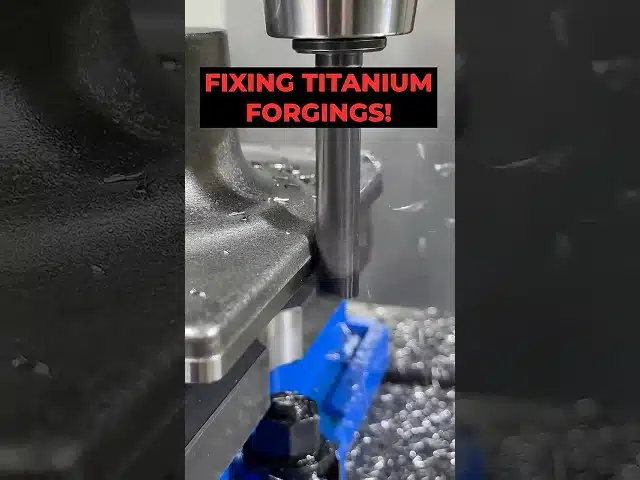
Fixing Titanium Forgings with CNC Machining: Challenges, Techniques & Expert Tips
# Fixing Titanium Forgings: The Art and Science of CNC Machining Titanium forgings are among the most challenging workpieces in the world of CNC machining.…
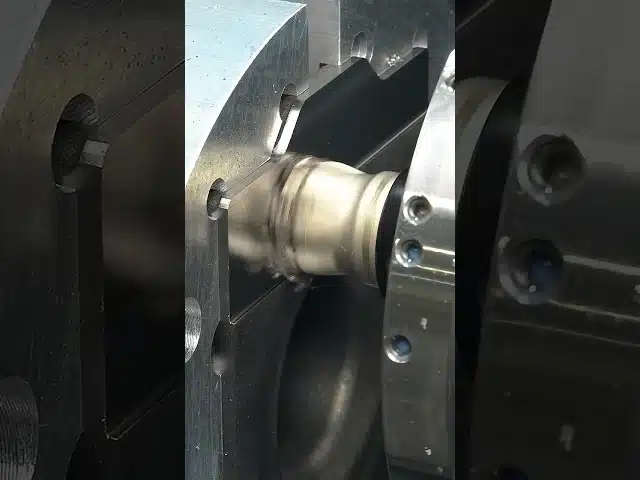
EATER of Titanium: Watch This CNC Machine Devour Titanium Like Butter
# EATER of Titanium: The CNC Machine That Devours the Toughest Metal There’s something deeply satisfying about watching a CNC machine tear through titanium like…
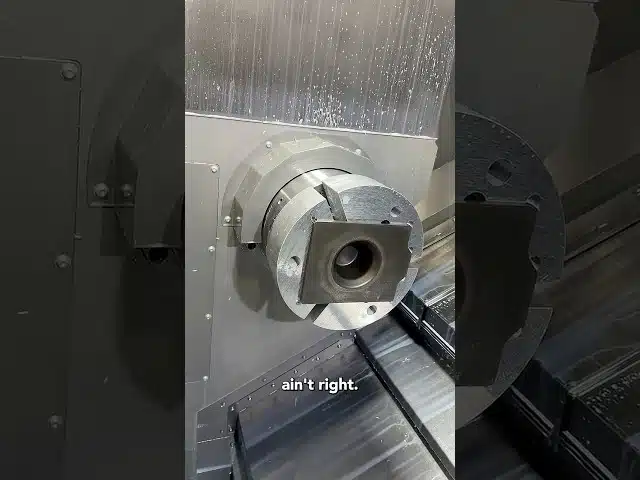
Crazy Titanium CNC Machining Part – Day 1 | Donnie Hinske’s Epic Build
# Crazy Titanium Part | Day 1: The CNC Machining Journey Begins There’s something deeply satisfying about watching raw titanium transform into a precision-engineered component…