






# Quick Change Tool Accuracy Test: Ensuring Precision in CNC Machining
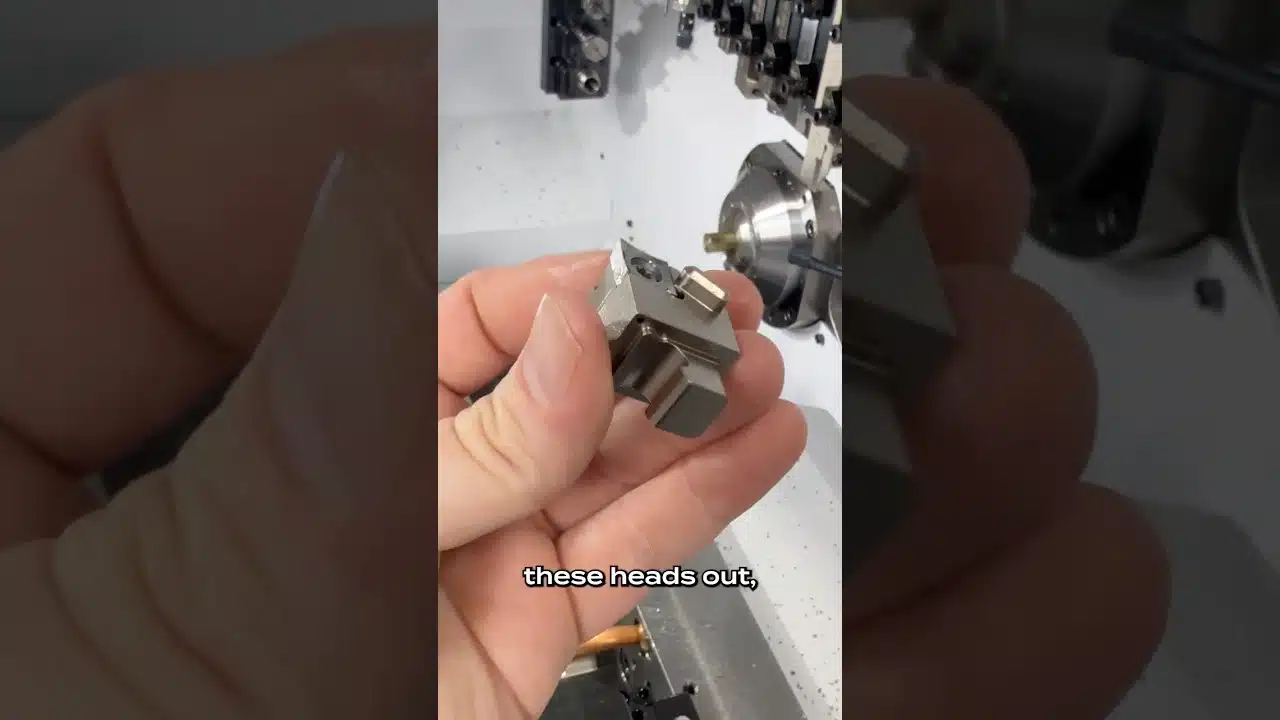
In the world of CNC machining and Swiss machining, precision is paramount. Every thousandth of an inch matters, and the tools we use must maintain their accuracy even through repeated changes. Today, we’re diving into an essential aspect of modern machining: quick change tool accuracy testing.
## Why Quick Change Tool Accuracy Matters
Quick change tooling systems have revolutionized CNC machining by dramatically reducing setup times and increasing productivity. However, with this convenience comes a critical question: Can these systems maintain the tight tolerances required for precision manufacturing?
The answer lies in rigorous testing and validation.
## The Testing Process
When evaluating quick change tool accuracy, machinists typically focus on several key metrics:
### 1. **Repeatability**
The tool must return to the exact same position every time it’s changed. Even microscopic variations can lead to part defects in high-precision applications.
### 2. **Runout**
Measuring the tool’s rotation accuracy ensures that cutting edges maintain consistent contact with the workpiece throughout the machining process.
### 3. **Rigidity**
The connection between the tool holder and the machine spindle must be rock-solid to prevent vibration and deflection during cutting operations.
## Best Practices for Maintaining Accuracy
To ensure your quick change tools maintain their accuracy:
– **Regular Cleaning**: Keep all mating surfaces free from chips and debris
– **Proper Storage**: Store tools in a clean, organized environment
– **Routine Inspection**: Check for wear on critical contact surfaces
– **Calibration**: Perform regular accuracy checks using dial indicators or laser measurement systems
## The Impact on Swiss Machining
Swiss-type lathes, known for their exceptional precision in small part manufacturing, particularly benefit from accurate quick change systems. The ability to rapidly switch between operations while maintaining sub-micron accuracy is crucial for:
– Medical device manufacturing
– Aerospace components
– Electronic connectors
– Watch parts
## Conclusion
Quick change tool accuracy testing isn’t just a quality control measure—it’s a fundamental requirement for maintaining competitive advantage in precision machining. By implementing regular testing protocols and maintaining your quick change systems properly, you can ensure consistent, high-quality output while maximizing the efficiency benefits these systems provide.
Whether you’re running a Swiss machine shop or a traditional CNC operation, never underestimate the importance of tool accuracy. Your parts—and your customers—depend on it.
—
*For more insights into CNC machining and precision manufacturing techniques, stay tuned to our blog and follow the latest developments in machining technology.*
What Should I Do Right Now?
If you’re evaluating new machining processes or equipment, our team can help you determine the best approach for your specific parts, offering guidance, insights, and practical recommendations based on your production needs and goals. Whether you’re optimizing existing workflows or exploring new manufacturing methods, we’re here to support your decision-making.


You Might Also Like

Your Need to Know Guide to SwissType Lathes
What is a Swiss lathe? It’s a slidingheadstock CNC lathe that feeds bar stock through a guide bushing so the material is supported right next…
What Is a Turnkey Manufacturing Solution — and Why It Saves You Time and Money
TL;DR: In manufacturing, “turnkey” means delivered ready to run—one partner engineers the process, supplies the CNC machine and tooling, integrates automation, proves out parts, trains…

How to Choose the Right CNC Machine for Your Application
Looking for the best CNC machine for aluminum, best CNC machine for long shafts, or best CNC machine for tight tolerances? Start here. This practical…