






# It Just Takes This One Piece of Plastic: The Power of Precision CNC Machining
Sometimes, the smallest components make the biggest difference. In the world of precision manufacturing, a single piece of plastic can be the critical element that holds an entire assembly together, ensures a perfect seal, or enables a complex mechanism to function flawlessly. That’s the beauty of CNC machining — turning raw material into exactly what’s needed, down to the micron.
## The Magic Behind the Machine
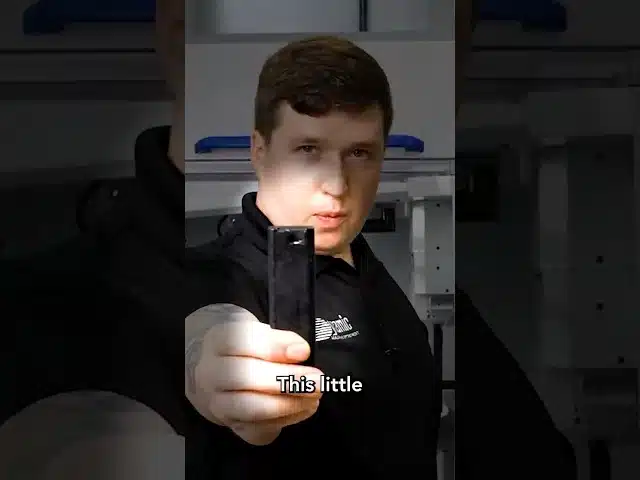
In a recent video by **Donnie Hinske**, we get an up-close look at just how impressive modern CNC and Swiss machining can be — even when the material in question is something as humble as plastic. While metals like aluminum, steel, and titanium often steal the spotlight in the machining world, plastic components are equally vital across countless industries.
From medical devices to electronics, automotive assemblies to aerospace applications, precision-machined plastic parts play an indispensable role. And producing them requires just as much skill, expertise, and technological capability as their metal counterparts.
## What Is Swiss Machining?
For those unfamiliar, **Swiss machining** (also known as Swiss-type turning) is a specialized form of CNC machining originally developed in Switzerland for crafting tiny watch components. Today, it’s used to produce high-precision, small-diameter parts with exceptional accuracy and surface finish.
Swiss machines are unique because they use a sliding headstock and guide bushing, which provides superior support for the workpiece close to the cutting tool. This results in:
– **Tighter tolerances** — often within a few thousandths of an inch
– **Better surface finishes** — reducing or eliminating the need for secondary operations
– **Faster cycle times** — thanks to simultaneous multi-axis machining capabilities
– **Less material waste** — critical when working with expensive or specialized plastics
## Why Plastic?
Plastic might seem simple, but machining it comes with its own set of challenges. Unlike metals, plastics can be prone to:
– **Heat deformation** — plastics have lower melting points and can warp if cutting speeds and feeds aren’t carefully controlled
– **Burring and chipping** — certain plastics can be brittle or gummy, requiring specialized tooling and techniques
– **Dimensional instability** — some plastics absorb moisture or expand with temperature changes
A skilled machinist knows how to navigate these challenges, selecting the right tooling, speeds, feeds, and coolant strategies to deliver a flawless part every time.
## One Piece Can Change Everything
The title says it all: *”It just takes this one piece of plastic.”* Whether it’s a bushing, a spacer, an insulator, or a custom connector, that single component can be the difference between a product that works and one that doesn’t. Precision machining ensures that every dimension, every surface, and every feature is exactly as designed.
This is what separates hobbyist-level work from professional-grade manufacturing. It’s not just about cutting material — it’s about understanding the application, the material properties, and the tolerances required to make something truly functional.
## Watch the Process in Action
Want to see the magic for yourself? Check out Donnie Hinske’s video showcasing this impressive machining process:
👉 [Watch the video here](https://www.youtube.com/watch?v=zzJQQLkSTF8)
There’s something deeply satisfying about watching raw material transform into a finished, precision-engineered component right before your eyes.
## Final Thoughts
CNC machining and Swiss machining continue to push the boundaries of what’s possible in manufacturing. Whether it’s metal or plastic, large or small, these technologies empower machinists to create parts with incredible accuracy and repeatability. Next time you hold a small plastic component in your hand, take a moment to appreciate the precision, skill, and technology that went into making it.
Because sometimes, it really does just take that one piece of plastic.
What Should I Do Right Now?
If you’re evaluating new machining processes or equipment, our team can help you determine the best approach for your specific parts, offering guidance, insights, and practical recommendations based on your production needs and goals. Whether you’re optimizing existing workflows or exploring new manufacturing methods, we’re here to support your decision-making.
You Might Also Like
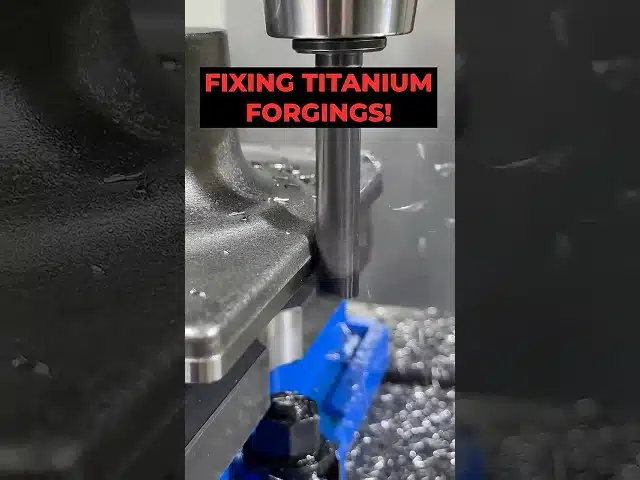
Fixing Titanium Forgings with CNC Machining: Challenges, Techniques & Expert Tips
# Fixing Titanium Forgings: The Art and Science of CNC Machining Titanium forgings are among the most challenging workpieces in the world of CNC machining.…
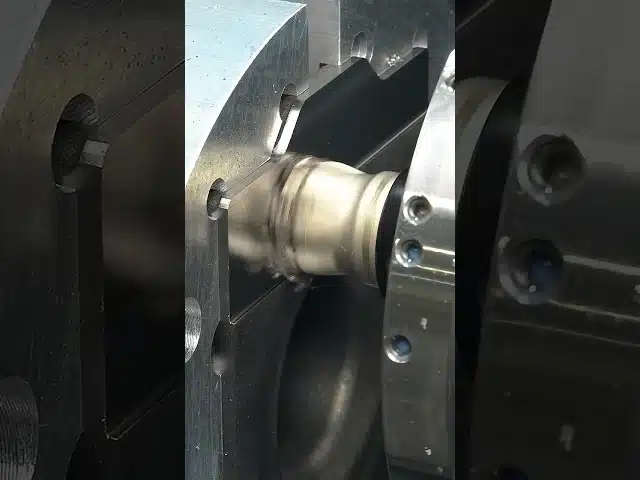
EATER of Titanium: Watch This CNC Machine Devour Titanium Like Butter
# EATER of Titanium: The CNC Machine That Devours the Toughest Metal There’s something deeply satisfying about watching a CNC machine tear through titanium like…
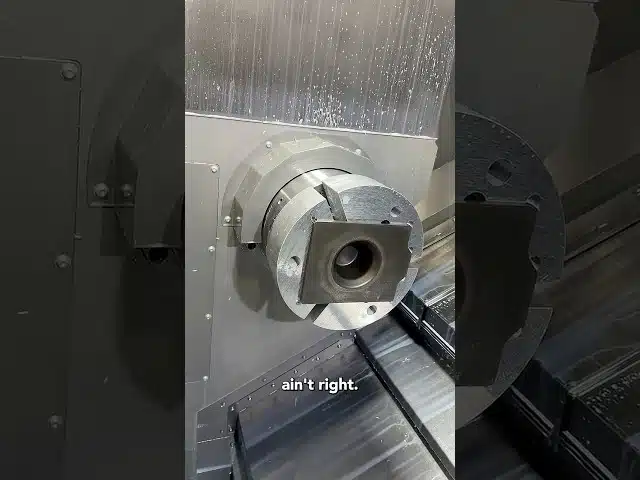
Crazy Titanium CNC Machining Part – Day 1 | Donnie Hinske’s Epic Build
# Crazy Titanium Part | Day 1: The CNC Machining Journey Begins There’s something deeply satisfying about watching raw titanium transform into a precision-engineered component…