






# How to Move an 80,000lb CNC Machine: A Complete Guide
Moving an 80,000-pound CNC (Computer Numerical Control) machine is no small feat. It requires meticulous planning, specialized equipment, and experienced professionals to ensure the machine arrives at its destination safely and in perfect working condition. Whether you’re relocating your manufacturing facility or have purchased a used CNC mill, understanding the complexities of moving such massive industrial equipment is crucial.
## Why Moving a CNC Machine is So Challenging
CNC machines are not just heavy – they’re also incredibly precise instruments. A typical large CNC mill can weigh anywhere from 20,000 to over 100,000 pounds, with the 80,000lb range being common for industrial-grade vertical machining centers. These machines contain:
– Precision-ground ways and surfaces
– Delicate electronic components
– Complex hydraulic and pneumatic systems
– Sensitive spindle assemblies
– Precision ball screws and linear guides
Any mishandling during transport can lead to misalignment, damage to critical components, or complete machine failure – potentially costing hundreds of thousands of dollars in repairs and lost production time.
## Pre-Move Planning and Preparation
### 1. Site Assessment
Before moving day, conduct thorough assessments of both the current location and destination:
– Measure doorways, hallways, and loading dock heights
– Check floor load capacities
– Identify overhead obstructions
– Plan the complete route from origin to destination
– Verify electrical and foundation requirements at the new location
### 2. Machine Preparation
– Document the machine’s current condition with photos and videos
– Drain all fluids (coolant, hydraulic oil, way oil)
– Secure all moving parts and lock axes
– Remove or secure tooling and accessories
– Disconnect and properly label all electrical connections
– Create detailed documentation of the disconnection process
### 3. Obtain Necessary Permits
Moving an 80,000lb load often requires:
– Overweight/oversize load permits
– Route surveys and approvals
– Escort vehicles depending on dimensions
– Temporary road closures in some cases
## Equipment Required for Moving an 80,000lb CNC Machine
### Rigging Equipment
– **Heavy-duty cranes**: Mobile cranes with 100+ ton capacity for loading/unloading
– **Gantry systems**: For precise indoor positioning
– **Hydraulic jacks**: 50-100 ton capacity for lifting
– **Spreader bars**: To distribute load evenly
– **Heavy-duty slings and shackles**: Rated for at least 2x the machine weight
### Transportation Equipment
– **Lowboy trailers**: Designed for heavy machinery transport
– **Air-ride trailers**: To minimize vibration during transport
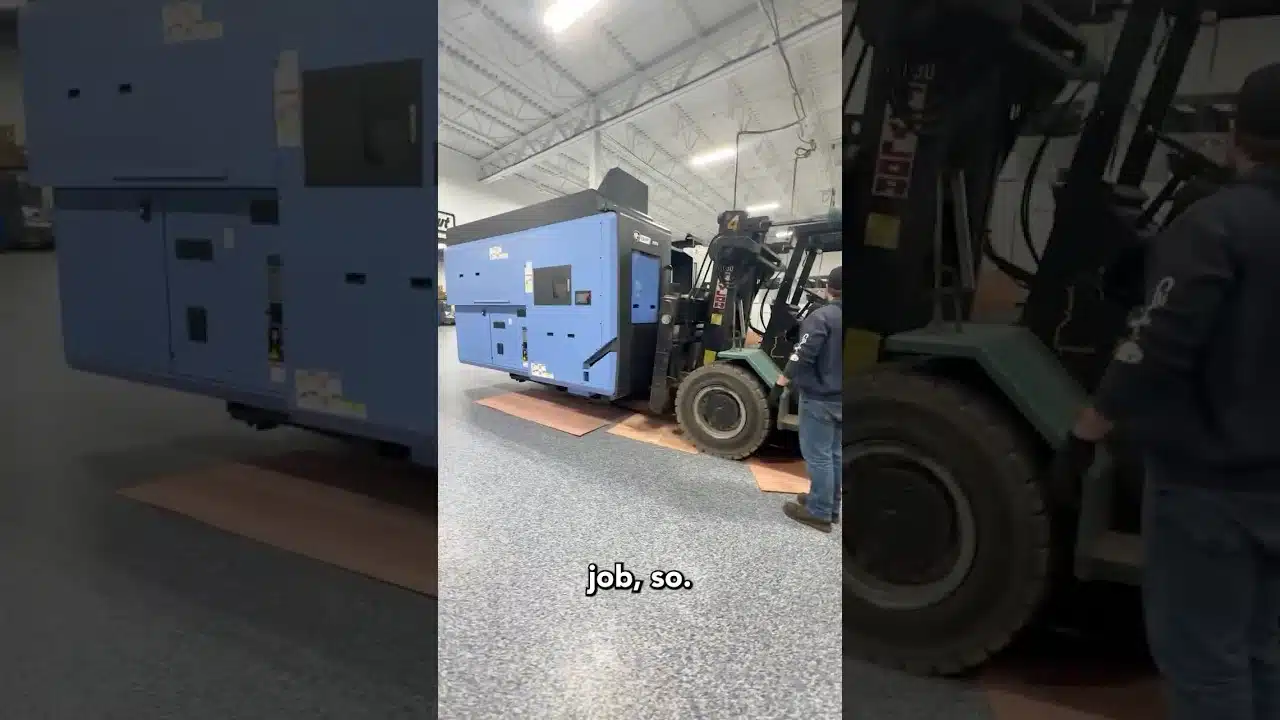
– **Machine skates**: For moving across factory floors
– **Forklifts**: 15,000-30,000lb capacity for positioning
## The Moving Process
### Step 1: Rigging and Lifting
1. Position lifting equipment according to manufacturer’s lift points
2. Attach rigging using appropriate slings and spreader bars
3. Perform test lift of 6-12 inches to verify balance
4. Slowly lift machine to required height
5. Use tag lines to control rotation during lift
### Step 2: Loading
1. Position trailer as close as possible to minimize crane reach
2. Slowly lower machine onto trailer bed
3. Position machine to distribute weight properly
4. Use hardwood blocking and cribbing for support
5. Secure with heavy-duty chains and binders (minimum 4 points)
### Step 3: Transportation
1. Conduct final inspection of load securement
2. Install “Oversize Load” signage and warning flags
3. Coordinate with escort vehicles if required
4. Drive at reduced speeds to minimize vibration
5. Make regular stops to check load security
6. Avoid sudden starts, stops, and sharp turns
### Step 4: Unloading and Positioning
1. Reverse the loading process at destination
2. Use precision moving equipment for final positioning
3. Level machine to manufacturer specifications (typically within 0.0005″/foot)
4. Anchor to prepared foundation
5. Allow machine to acclimate to new environment (24-48 hours)
## Safety Considerations
### Personnel Safety
– Only use certified riggers and crane operators
– Maintain clear communication with hand signals or radios
– Establish exclusion zones during lifting operations
– Wear appropriate PPE (hard hats, safety shoes, high-vis clothing)
– Never position personnel under suspended loads
### Machine Safety
– Use only manufacturer-approved lift points
– Protect precision surfaces with wooden blocks
– Monitor weather conditions (avoid high winds)
– Use shock-absorbing materials during transport
– Maintain proper insurance coverage
## Post-Move Requirements
### Reinstallation and Calibration
1. **Releveling**: Use precision levels and laser alignment tools
2. **Reconnection**: Follow documented procedures for all utilities
3. **Refilling fluids**: Use manufacturer-specified oils and coolants
4. **Initial power-up**: Follow proper startup procedures
5. **Calibration**: Perform full geometric calibration
6. **Test cuts**: Verify accuracy with test parts
### Common Challenges and Solutions
**Challenge**: Limited ceiling height
**Solution**: Remove machine components or use specialized low-profile rigging
**Challenge**: Weak floors
**Solution**: Use steel plates to distribute load or reinforce flooring
**Challenge**: Tight corners
**Solution**: Use air bearings or turntables for precise maneuvering
**Challenge**: Long-distance transport
**Solution**: Climate-controlled trailers and vibration monitoring
## Cost Considerations
Moving an 80,000lb CNC machine typically costs between $25,000 and $100,000, depending on:
– Distance traveled
– Complexity of rigging required
– Permits and escort requirements
– Insurance coverage
– Reinstallation and calibration needs
## Choosing the Right Moving Company
Look for movers with:
– Specific experience with CNC machinery
– Proper licensing and insurance ($1M+ coverage)
– Certified riggers and operators
– References from similar projects
– Detailed written proposals
– Safety records and OSHA compliance
## Conclusion
Moving an 80,000lb CNC machine is a complex undertaking that requires careful planning, specialized equipment, and experienced professionals. While the process may seem daunting, proper preparation and execution ensure your valuable equipment arrives safely and returns to production quickly. Always prioritize safety and precision over speed, and don’t hesitate to invest in professional movers who specialize in heavy machinery relocation.
Remember, the cost of doing it right the first time is always less than the cost of repairing damage from improper handling. Your CNC machine is a significant investment in your manufacturing capability – treat its relocation with the care and attention it deserves.
Whether you’re upgrading your facility, consolidating operations, or purchasing used equipment, understanding the intricacies of moving heavy CNC machinery will help you make informed decisions and ensure a successful relocation.
What Should I Do Right Now?
If you’re evaluating new machining processes or equipment, our team can help you determine the best approach for your specific parts, offering guidance, insights, and practical recommendations based on your production needs and goals. Whether you’re optimizing existing workflows or exploring new manufacturing methods, we’re here to support your decision-making.
You Might Also Like
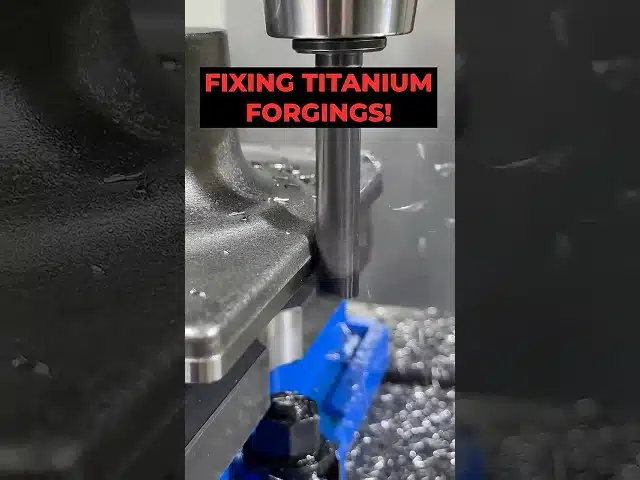
Fixing Titanium Forgings with CNC Machining: Challenges, Techniques & Expert Tips
# Fixing Titanium Forgings: The Art and Science of CNC Machining Titanium forgings are among the most challenging workpieces in the world of CNC machining.…
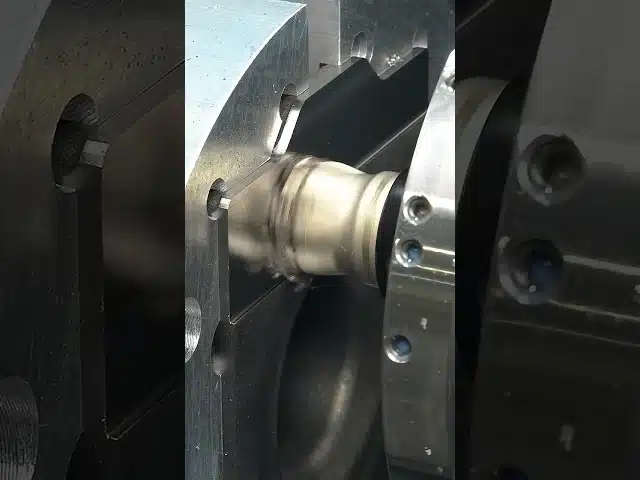
EATER of Titanium: Watch This CNC Machine Devour Titanium Like Butter
# EATER of Titanium: The CNC Machine That Devours the Toughest Metal There’s something deeply satisfying about watching a CNC machine tear through titanium like…
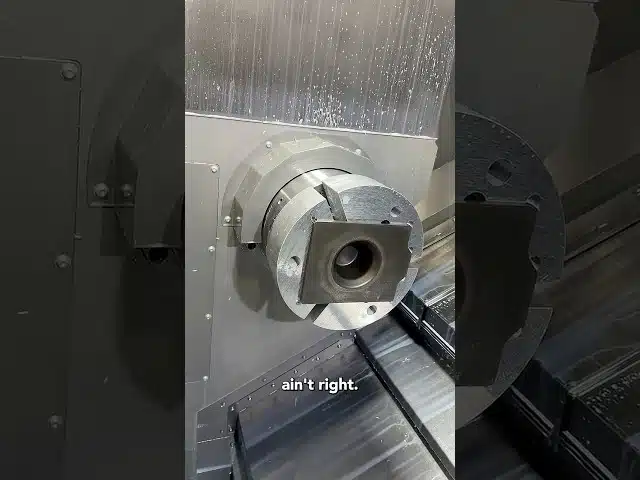
Crazy Titanium CNC Machining Part – Day 1 | Donnie Hinske’s Epic Build
# Crazy Titanium Part | Day 1: The CNC Machining Journey Begins There’s something deeply satisfying about watching raw titanium transform into a precision-engineered component…