






# How to Get a Burr-Free Hexagon in CNC Machining
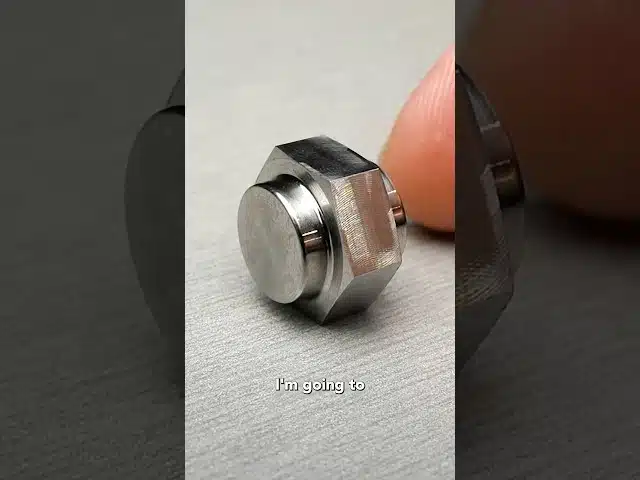
If you’ve ever machined a hexagon on a CNC mill or lathe, you know the frustration all too well — those pesky burrs that form on the edges, requiring extra time and effort to clean up. Burrs not only slow down production but can also affect part quality, fit, and function. In this post, we’ll break down the tips and techniques shared by machinist Donnie Hinske on how to achieve a perfectly clean, burr-free hexagon every time.
## Why Burrs Form on Hexagons
Before diving into the solution, it’s important to understand why burrs form in the first place. When cutting a hexagonal profile, the tool exits material at each of the six corners. As the cutter transitions from one flat to the next, the material at the edge tends to deform rather than shear cleanly. This plastic deformation creates those thin, sharp burrs that cling to the edges of your workpiece.
Several factors contribute to burr formation on hexagons:
– **Tool sharpness** — A dull tool pushes material rather than cutting it cleanly
– **Feed rate and speed** — Incorrect parameters can exacerbate burr formation
– **Material type** — Softer, more ductile materials like aluminum and mild steel are more prone to burring
– **Cutting strategy** — The toolpath approach and direction of cut play a huge role
## Tips for Achieving a Burr-Free Hexagon
### 1. Optimize Your Toolpath Strategy
One of the most impactful changes you can make is adjusting your toolpath strategy. Rather than using a simple profile pass that stops and starts at each corner, consider using a continuous climb milling approach. Climb milling tends to produce smaller burrs compared to conventional milling because the chip thins out as the tool exits the material.
### 2. Add a Chamfer or Break the Edge
Programming a slight chamfer on the edges of the hexagon before or after the finishing pass can dramatically reduce or eliminate burrs. Even a tiny 0.005″ to 0.010″ chamfer can make a world of difference in the final part quality.
### 3. Use Sharp, Quality End Mills
This might seem obvious, but it’s worth emphasizing. A sharp cutter with the right geometry will shear material cleanly rather than pushing it aside. Consider using coated carbide end mills designed for your specific material. Replace tools before they become excessively worn.
### 4. Dial In Your Feeds and Speeds
Running the correct feeds and speeds for your material and tool combination is critical. Too slow of a feed rate can cause rubbing, which generates heat and promotes burr formation. Too aggressive of a cut can tear material rather than cutting it. Find the sweet spot for your setup.
### 5. Consider a Spring Pass
A spring pass — running the same finishing toolpath a second time without changing the depth of cut — can clean up any remaining burrs. Since the tool is barely touching material on the second pass, it tends to shave off any small burrs left from the first pass.
### 6. Material Considerations
If you have flexibility in material selection, keep in mind that free-machining alloys (like 12L14 steel or 6061-T6 aluminum) tend to produce smaller, more manageable burrs than their gummier counterparts. When working with challenging materials, you may need to combine multiple strategies to get a truly burr-free result.
## Why It Matters
Achieving burr-free hexagons isn’t just about aesthetics — it’s about efficiency and quality. Manual deburring is time-consuming, inconsistent, and adds labor costs to every part. In high-volume production, those extra seconds per part add up quickly. By getting it right at the machine, you can:
– **Reduce secondary operations** and cycle time
– **Improve part consistency** across production runs
– **Lower labor costs** associated with manual deburring
– **Enhance part quality** and customer satisfaction
## Watch the Full Technique
For a detailed visual demonstration of how to achieve a burr-free hexagon, check out Donnie Hinske’s video where he walks through the process step by step:
[How to Get a BURR FREE Hexagon — Watch on YouTube](https://www.youtube.com/watch?v=OJw5kpRBsTM)
## Final Thoughts
Getting a burr-free hexagon is one of those small wins in CNC machining that can have a big impact on your overall workflow. It comes down to a combination of sharp tooling, smart toolpath strategies, and dialed-in cutting parameters. The next time you’re programming a hex feature, take a few extra minutes to optimize your approach — your future self (and your deburring station) will thank you.
Have your own tips for burr-free machining? Drop them in the comments below — we’d love to hear what works in your shop!
What Should I Do Right Now?
If you’re evaluating new machining processes or equipment, our team can help you determine the best approach for your specific parts, offering guidance, insights, and practical recommendations based on your production needs and goals. Whether you’re optimizing existing workflows or exploring new manufacturing methods, we’re here to support your decision-making.
You Might Also Like
Fixing Titanium Forgings with CNC Machining: Challenges, Techniques & Expert Tips
# Fixing Titanium Forgings: The Art and Science of CNC Machining Titanium forgings are among the most challenging workpieces in the world of CNC machining.…
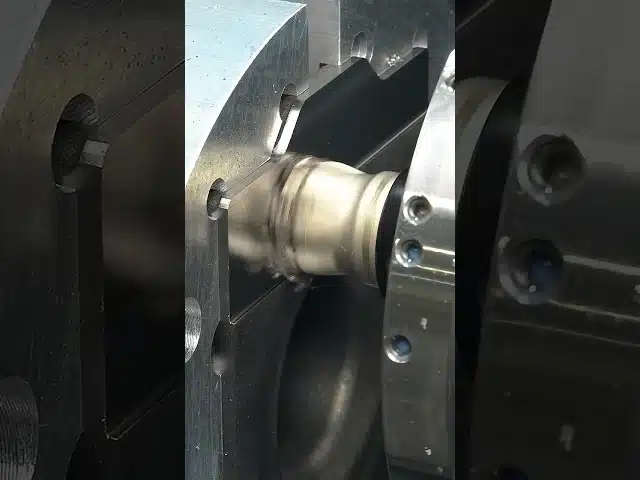
EATER of Titanium: Watch This CNC Machine Devour Titanium Like Butter
# EATER of Titanium: The CNC Machine That Devours the Toughest Metal There’s something deeply satisfying about watching a CNC machine tear through titanium like…
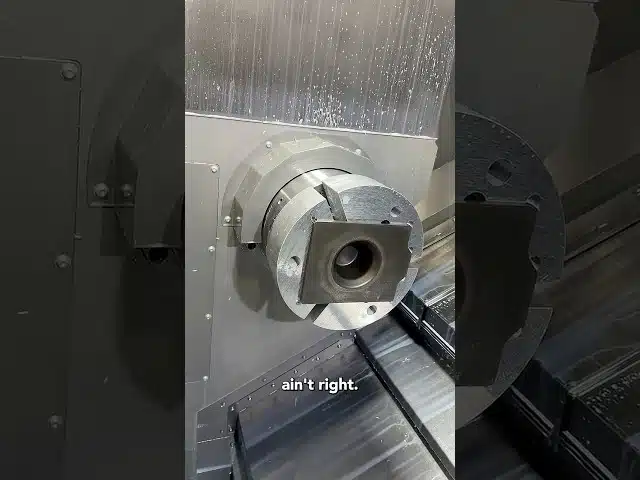
Crazy Titanium CNC Machining Part – Day 1 | Donnie Hinske’s Epic Build
# Crazy Titanium Part | Day 1: The CNC Machining Journey Begins There’s something deeply satisfying about watching raw titanium transform into a precision-engineered component…