







# Essential CNC Machining Knowledge Every Operator Should Master
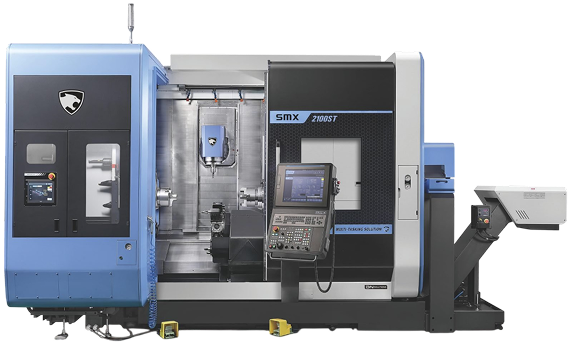
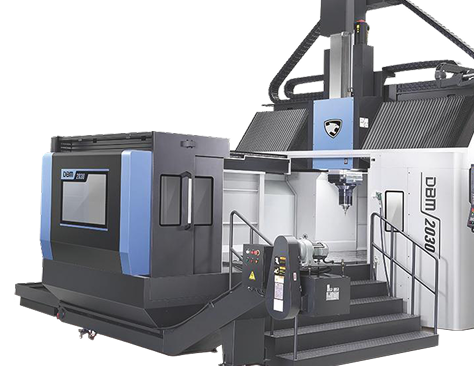
In the world of CNC machining, there are fundamental concepts and techniques that separate novice operators from seasoned professionals. Whether you’re just starting your journey with CNC mills or looking to refine your skills, understanding these core principles is crucial for success in modern manufacturing.
## The Foundation of CNC Excellence
CNC (Computer Numerical Control) machining has revolutionized the manufacturing industry, enabling unprecedented precision and repeatability. However, the technology is only as good as the operator behind it. There are certain aspects of CNC milling that every machinist should know to ensure optimal performance and avoid costly mistakes.
## Critical Knowledge Areas
### 1. Understanding Your Machine’s Capabilities
Every CNC mill has its limitations and sweet spots. Knowing your machine’s:
– Maximum spindle speed
– Feed rate capabilities
– Work envelope dimensions
– Tool capacity
These specifications directly impact what you can achieve and how efficiently you can complete projects.
### 2. Tool Selection and Management
The right tool for the job isn’t just a saying—it’s a fundamental rule in CNC machining. Understanding:
– Cutting tool materials and coatings
– Proper speeds and feeds for different materials
– Tool life management
– When to use specific tool geometries
This knowledge can mean the difference between a successful run and catastrophic tool failure.
### 3. Work Holding Solutions
Secure work holding is non-negotiable in CNC machining. Every operator should be familiar with:
– Various clamping methods
– Proper fixture design principles
– How to minimize vibration and chatter
– Techniques for holding irregular shapes
### 4. Programming Fundamentals
While many operators rely on CAM software, understanding basic G-code is invaluable:
– Common G and M codes
– How to read and modify programs
– Basic troubleshooting at the machine
– Manual data input (MDI) for quick adjustments
## Safety Considerations
No discussion of CNC machining knowledge is complete without emphasizing safety:
– Always verify your program before running
– Check tool clearances
– Ensure proper coolant flow
– Never bypass safety interlocks
– Wear appropriate personal protective equipment
## Continuous Learning
The CNC machining field is constantly evolving with new technologies, materials, and techniques. Successful operators:
– Stay current with industry trends
– Experiment with new cutting strategies
– Learn from mistakes and near-misses
– Share knowledge with colleagues
## Practical Tips for Success
1. **Document Everything**: Keep detailed setup sheets and notes for repeat jobs
2. **Measure Twice, Cut Once**: Always verify your work offsets and tool lengths
3. **Listen to Your Machine**: Unusual sounds often indicate problems before they become critical
4. **Maintain Your Equipment**: Regular maintenance prevents unexpected downtime
5. **Build a Network**: Connect with other machinists to share experiences and solutions
## The Path Forward
Mastering CNC machining is a journey, not a destination. Every job presents new challenges and learning opportunities. By focusing on these fundamental areas and maintaining a commitment to continuous improvement, you’ll develop the skills and knowledge needed to excel in this dynamic field.
Remember, the best CNC operators combine technical knowledge with practical experience and a healthy respect for the capabilities and limitations of their equipment. Whether you’re producing prototype parts or running high-volume production, these principles remain constant.
As you continue your CNC machining journey, keep pushing yourself to learn more, experiment safely, and share your knowledge with the next generation of machinists. The skills you develop today will shape the manufacturing capabilities of tomorrow.
—
*Ready to take your CNC machining skills to the next level? Stay tuned for more insights, tips, and techniques that will help you become a more proficient and confident CNC operator.*
What Should I Do Right Now?
If you’re evaluating new machining processes or equipment, our team can help you determine the best approach for your specific parts, offering guidance, insights, and practical recommendations based on your production needs and goals. Whether you’re optimizing existing workflows or exploring new manufacturing methods, we’re here to support your decision-making.
You Might Also Like
Fixing Titanium Forgings with CNC Machining: Challenges, Techniques & Expert Tips
# Fixing Titanium Forgings: The Art and Science of CNC Machining Titanium forgings are among the most challenging workpieces in the world of CNC machining.…
EATER of Titanium: Watch This CNC Machine Devour Titanium Like Butter
# EATER of Titanium: The CNC Machine That Devours the Toughest Metal There’s something deeply satisfying about watching a CNC machine tear through titanium like…
Crazy Titanium CNC Machining Part – Day 1 | Donnie Hinske’s Epic Build
# Crazy Titanium Part | Day 1: The CNC Machining Journey Begins There’s something deeply satisfying about watching raw titanium transform into a precision-engineered component…