






# What Do FAT DRILLS Eat? A CNC Machining Question That’ll Make You Think
If you’ve spent any time around CNC machines, you know that machinists have a unique sense of humor — and an even more unique way of describing what’s happening on the shop floor. Donnie Hinske’s latest video poses a deceptively simple question: **What do fat drills eat?**
It’s the kind of question that might sound like the setup to a joke, but for anyone in the CNC machining world, it opens up a genuinely interesting conversation about drill feeds, speeds, and material removal rates.
## Watch the Video
Check out Donnie Hinske’s video here: [What do FAT DRILLS eat?](https://www.youtube.com/watch?v=NUu3XjoC2tM)
## The Reality Behind Fat Drills
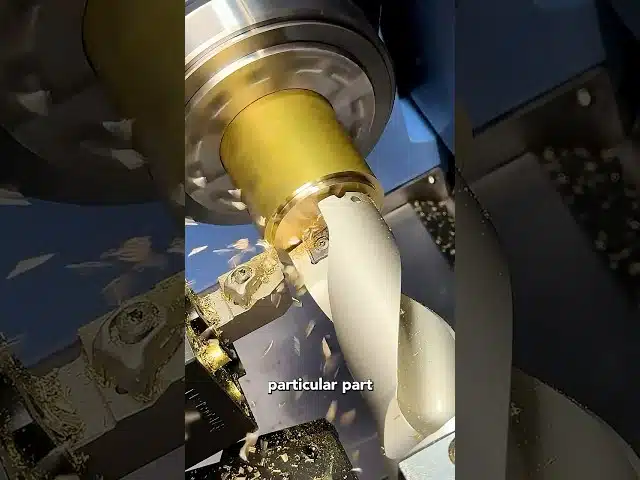
In CNC machining, “fat drills” — large-diameter drills — are absolute workhorses. They’re used for boring out significant amounts of material quickly, and they require a completely different approach compared to their smaller counterparts. Here’s what every machinist needs to understand about running large-diameter drills effectively.
### Feed Rates and Chip Load
When you’re running a fat drill, the chip load per revolution increases significantly. A larger drill can handle — and indeed *demands* — more aggressive feed rates. The key is matching the feed rate to the drill’s diameter, flute geometry, and the material being cut. Underfeeding a large drill can actually cause more problems than overfeeding one, leading to rubbing, work hardening, and premature tool wear.
### Horsepower and Torque Requirements
Fat drills eat **power**. Large-diameter drilling operations can push your machine’s spindle to its limits in terms of torque. This is especially true when drilling tough materials like stainless steel or titanium. Before running a big drill, it’s always wise to calculate the horsepower requirements and make sure your machine can handle the load.
### Coolant — And Lots of It
Another thing fat drills eat? **Coolant.** Proper coolant delivery is critical when running large drills. Through-spindle coolant (TSC) is highly recommended, as it helps evacuate chips from the hole, reduces heat buildup, and extends tool life. Without adequate coolant flow, you’re looking at potential chip packing, tool breakage, and poor hole quality.
### Material — Chips for Days
Of course, the most literal answer to “What do fat drills eat?” is **material** — and a lot of it. Large drills produce massive chips, and chip evacuation becomes a primary concern. Peck drilling cycles are often employed to break chips and clear them from the hole, especially in deep-hole applications.
## Tips for Running Large Drills on CNC Machines
1. **Start with a pilot hole** — For very large drills, consider using a smaller pilot drill first to guide the larger tool and reduce the forces involved.
2. **Use peck cycles wisely** — Break chips and clear the hole regularly, especially in deep holes or gummy materials.
3. **Monitor your spindle load** — Keep an eye on your machine’s spindle load meter to ensure you’re not overloading the system.
4. **Choose the right tool holder** — Large drills generate significant forces. Make sure your tool holder is rigid and properly secured.
5. **Calculate your speeds and feeds** — Don’t guess. Use manufacturer recommendations and adjust based on real-world conditions.
## Why Machinists Love Talking About This
There’s something deeply satisfying about watching a fat drill plunge into a workpiece and send ribbons of metal flying. It’s one of those operations that reminds you of the raw power involved in CNC machining. Videos like Donnie Hinske’s tap into that shared excitement and knowledge that makes the machining community so engaging.
Whether you’re a seasoned machinist or just getting started in CNC, understanding how to properly run large-diameter drills is an essential skill. It’s not just about cranking up the feed — it’s about understanding the relationship between tool geometry, material properties, machine capability, and cutting parameters.
## Final Thoughts
So, what do fat drills eat? The short answer: **everything** — power, coolant, material, and your patience if you don’t set them up correctly. But when dialed in properly, there’s nothing quite like watching a large drill do its job efficiently and cleanly.
Be sure to check out [Donnie Hinske’s channel](https://www.youtube.com/@DonnieHinske) for more great CNC machining content, tips, and the kind of shop-floor humor that keeps machinists coming back for more.
*Happy machining!*
What Should I Do Right Now?
If you’re evaluating new machining processes or equipment, our team can help you determine the best approach for your specific parts, offering guidance, insights, and practical recommendations based on your production needs and goals. Whether you’re optimizing existing workflows or exploring new manufacturing methods, we’re here to support your decision-making.
You Might Also Like
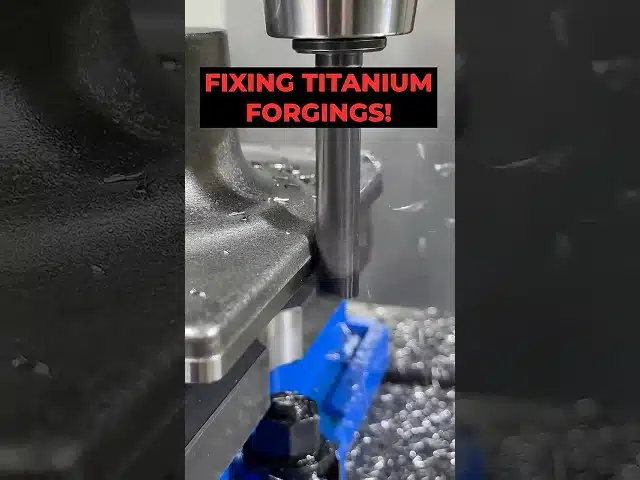
Fixing Titanium Forgings with CNC Machining: Challenges, Techniques & Expert Tips
# Fixing Titanium Forgings: The Art and Science of CNC Machining Titanium forgings are among the most challenging workpieces in the world of CNC machining.…
EATER of Titanium: Watch This CNC Machine Devour Titanium Like Butter
# EATER of Titanium: The CNC Machine That Devours the Toughest Metal There’s something deeply satisfying about watching a CNC machine tear through titanium like…
Crazy Titanium CNC Machining Part – Day 1 | Donnie Hinske’s Epic Build
# Crazy Titanium Part | Day 1: The CNC Machining Journey Begins There’s something deeply satisfying about watching raw titanium transform into a precision-engineered component…