






# CNC Machining: The Messy Side Nobody Warns You About
If you’ve ever been around a CNC machine in action, you know one undeniable truth — **it makes a MESS.** From flying chips to coolant splatter, CNC machining is one of those processes where precision and chaos go hand in hand.
In a recent video by **Donnie Hinske**, we get a front-row seat to just how messy CNC machining can get. And if you’re new to the world of CNC, this might be an eye-opener.
## Why Does CNC Machining Create Such a Mess?
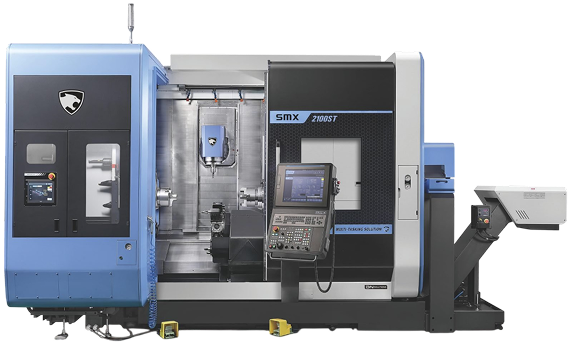
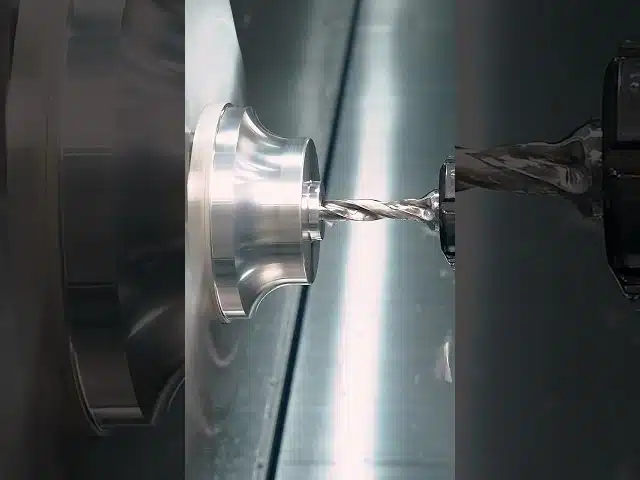
CNC (Computer Numerical Control) machining is a subtractive manufacturing process. That means material is being **removed** from a workpiece to create the desired shape. Unlike additive manufacturing (such as 3D printing), where material is built up layer by layer, CNC machining cuts, drills, and mills away everything that isn’t part of the final product.
So where does all that removed material go? Everywhere.
### The Chips
When a cutting tool engages with metal, aluminum, steel, or any other material, it produces **chips** — small (and sometimes not-so-small) pieces of material that fly off at high speed. Depending on the material and the type of cut being made, these chips can be:
– **Long and stringy** — common with ductile materials like aluminum and mild steel
– **Short and fragmented** — typical of cast iron or when using chip-breaking toolpaths
– **Hot and sharp** — always a safety consideration in the shop
### The Coolant
Most CNC operations use **coolant or cutting fluid** to reduce heat, extend tool life, and improve surface finish. While absolutely essential, coolant adds another layer of mess. It sprays, it mists, it pools on the floor, and it coats everything in the vicinity of the machine.
### The Cleanup
Any experienced machinist will tell you that cleanup is a significant part of the job. Chip conveyors, shop vacuums, and regular machine maintenance are all part of keeping a CNC shop running smoothly. Neglecting cleanup isn’t just unsightly — it can lead to machine damage, poor part quality, and safety hazards.
## Did You Know? Fun Facts About CNC Machining
Since the original video carries the #didyouknow hashtag, here are some fascinating facts about CNC machining that you might not know:
1. **CNC machines can run 24/7** — Unlike manual machining, CNC machines can operate around the clock with minimal human intervention, though they’ll need regular chip clearing and coolant management.
2. **The first CNC machine was developed in the 1940s and 1950s** — MIT researchers created early numerically controlled machines using punched tape to guide the tool movements.
3. **A single CNC machine can produce thousands of identical parts** — Repeatability is one of the greatest strengths of CNC machining, with tolerances often held to within thousandths of an inch.
4. **Chips can reach temperatures of over 1,000°F** — The cutting process generates enormous heat, which is why coolant is so critical.
## Embracing the Mess
At the end of the day, the mess is a sign that work is getting done. Every chip on the floor represents material that’s been precisely removed to create something useful. It’s the nature of the craft, and experienced machinists take pride in managing the chaos while producing parts that meet exacting specifications.
Whether you’re a seasoned machinist or someone who’s just discovering the world of CNC, videos like Donnie Hinske’s remind us that behind every perfectly machined part is a whole lot of cleanup waiting to happen.
## Final Thoughts
CNC machining is an incredible technology that combines computer precision with raw mechanical power. But it’s not a clean process — and that’s perfectly okay. The mess is part of the magic. If you’re interested in seeing more of the real-world side of CNC machining, be sure to check out Donnie Hinske’s content for an authentic look at life in the machine shop.
*Have you ever witnessed a CNC machine in action? What surprised you the most about the process? Share your thoughts and experiences in the comments below!*
What Should I Do Right Now?
If you’re evaluating new machining processes or equipment, our team can help you determine the best approach for your specific parts, offering guidance, insights, and practical recommendations based on your production needs and goals. Whether you’re optimizing existing workflows or exploring new manufacturing methods, we’re here to support your decision-making.
You Might Also Like
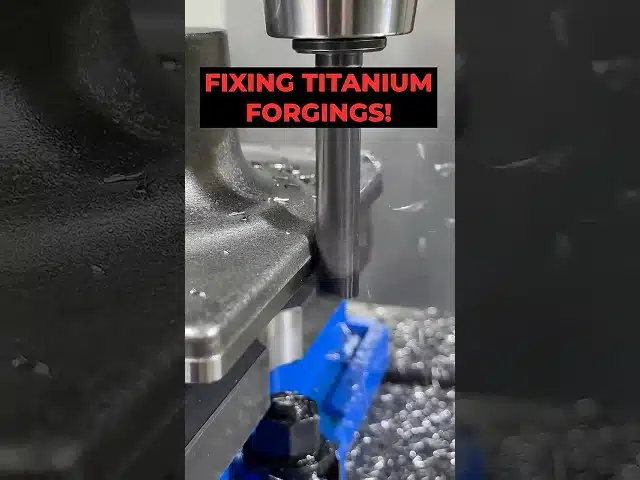
Fixing Titanium Forgings with CNC Machining: Challenges, Techniques & Expert Tips
# Fixing Titanium Forgings: The Art and Science of CNC Machining Titanium forgings are among the most challenging workpieces in the world of CNC machining.…
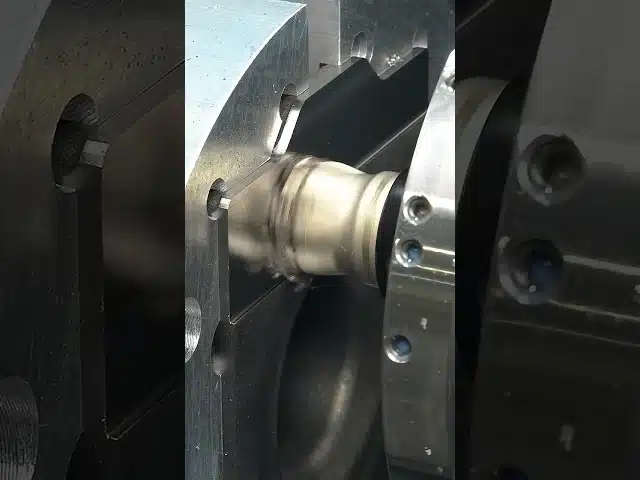
EATER of Titanium: Watch This CNC Machine Devour Titanium Like Butter
# EATER of Titanium: The CNC Machine That Devours the Toughest Metal There’s something deeply satisfying about watching a CNC machine tear through titanium like…
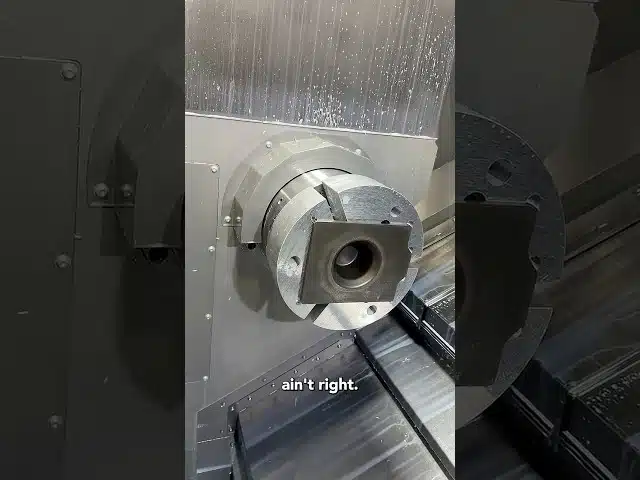
Crazy Titanium CNC Machining Part – Day 1 | Donnie Hinske’s Epic Build
# Crazy Titanium Part | Day 1: The CNC Machining Journey Begins There’s something deeply satisfying about watching raw titanium transform into a precision-engineered component…