






# Cross Your Fingers and Press Start: The Nerve-Wracking Moment Every CNC Machinist Knows
There’s a moment that every CNC machinist knows all too well — that heart-pounding second when you’ve double-checked your code, verified your offsets, secured your workpiece, and there’s nothing left to do but hover over the start button. You take a breath, cross your fingers, and press **Cycle Start**.
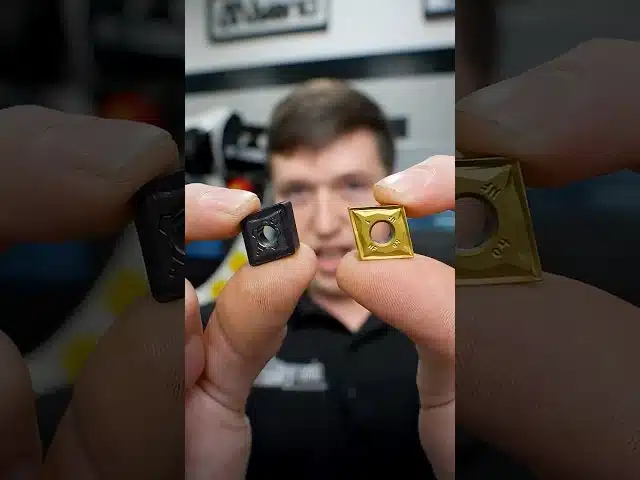
That’s exactly the feeling captured in this fantastic video from **Donnie Hinske**, and if you’ve ever worked in a machine shop, you already know the tension.
## The “Press Start” Moment in CNC Machining
CNC machining is a blend of precision engineering, creative problem-solving, and — let’s be honest — a healthy dose of anxiety. No matter how experienced you are, there’s always that split second of uncertainty when you run a new program for the first time. Will the tool path clear the clamps? Did you set the right work offset? Is the tool length compensation correct?
This is what machinists affectionately call the **”first run jitters,”** and it never fully goes away — no matter how many years you’ve been behind the controller.
## Why Testing Matters in CNC Machining
The hashtag **#test** in Donnie’s video description says it all. Testing is an integral part of the CNC machining process. Here’s why experienced machinists take the test phase so seriously:
### 1. Dry Runs Save Parts (and Tools)
Many machinists will run a program with the spindle off or with the Z-axis raised to verify tool paths before committing to a real cut. This simple step can save thousands of dollars in broken tooling, scrapped material, and machine repairs.
### 2. Feed Rate Override is Your Best Friend
During a first run, most operators keep their hand on the feed rate override dial, ready to slow things down or hit the emergency stop if something doesn’t look right. Running at 10-25% feed rate on a first pass is standard practice.
### 3. Simulation Software Isn’t Perfect
While modern CAM software offers incredible simulation capabilities, there’s always a gap between the digital world and reality. Fixture locations, tool stick-out, material inconsistencies — these are all variables that simulation can’t always account for.
### 4. Single Block Mode
Running a program in single block mode allows the machinist to step through each line of G-code one at a time. It’s tedious, but for complex or high-value parts, it’s an essential safety net.
## The Psychology Behind the “Finger Cross”
There’s something beautifully human about the gesture of crossing your fingers before pressing start on a machine that operates with micron-level precision. It’s a reminder that behind every perfectly machined part, there’s a person who put their skill, knowledge, and sometimes a little bit of faith into the process.
This is what makes CNC machining more than just manufacturing — it’s a craft. Every machinist develops their own pre-start ritual, whether it’s a final visual inspection, a deep breath, or yes, crossing their fingers.
## Tips for Reducing First-Run Anxiety
If you’re newer to CNC machining and want to feel more confident when you press that start button, here are some practical tips:
– **Verify your work coordinate system** — Touch off carefully and double-check your offsets
– **Check tool lengths and diameters** — A wrong tool offset is one of the most common causes of crashes
– **Review the program line by line** — Look for any unexpected rapid moves, especially in Z
– **Use graphics mode** if your controller supports it — Many modern controllers can simulate the program on-screen
– **Keep your hand on the feed hold button** — Be ready to pause at any moment during the first run
– **Start with soft materials when possible** — If you’re proving out a new program, running it in wax or foam first can save expensive stock
## The Reward After the Risk
Of course, the best part of crossing your fingers and pressing start is when everything goes exactly as planned. The spindle spins up, the tool engages the material, chips fly in perfect curls, and the part comes out exactly to spec. That moment of relief and satisfaction is what keeps machinists coming back to the shop day after day.
Big thanks to **Donnie Hinske** for capturing this universal CNC moment so perfectly. If you’ve ever felt that pre-start tension, you’re not alone — and you’re in great company.
## Watch the Full Video
Check out Donnie’s video to see the full “cross your fingers” moment in action: [Watch on YouTube](https://www.youtube.com/watch?v=4CdIFDvAXzE)
Have your own nerve-wracking first-run stories? We’d love to hear them in the comments below!
What Should I Do Right Now?
If you’re evaluating new machining processes or equipment, our team can help you determine the best approach for your specific parts, offering guidance, insights, and practical recommendations based on your production needs and goals. Whether you’re optimizing existing workflows or exploring new manufacturing methods, we’re here to support your decision-making.
You Might Also Like
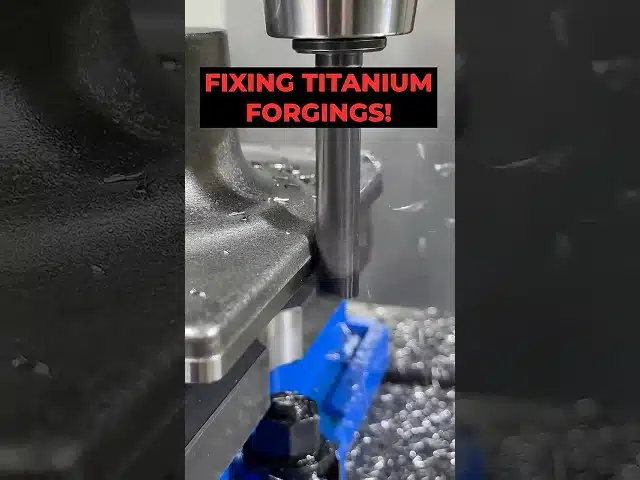
Fixing Titanium Forgings with CNC Machining: Challenges, Techniques & Expert Tips
# Fixing Titanium Forgings: The Art and Science of CNC Machining Titanium forgings are among the most challenging workpieces in the world of CNC machining.…
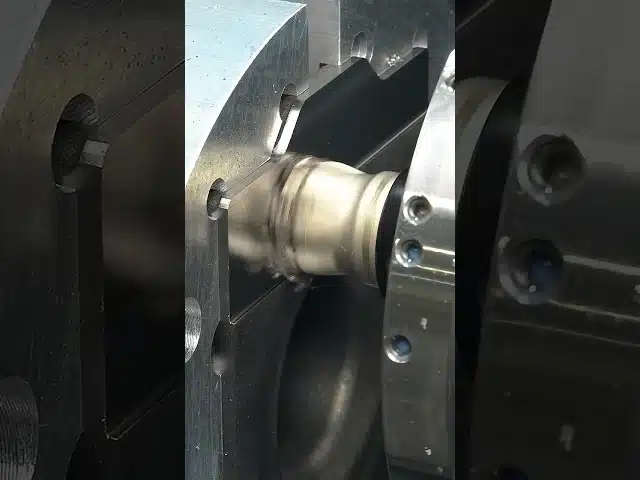
EATER of Titanium: Watch This CNC Machine Devour Titanium Like Butter
# EATER of Titanium: The CNC Machine That Devours the Toughest Metal There’s something deeply satisfying about watching a CNC machine tear through titanium like…
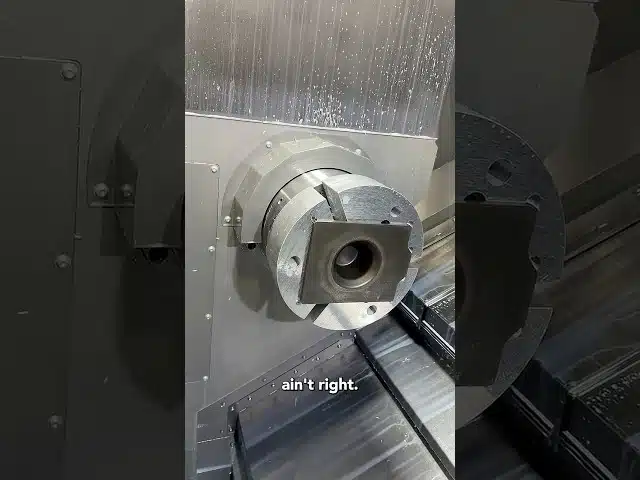
Crazy Titanium CNC Machining Part – Day 1 | Donnie Hinske’s Epic Build
# Crazy Titanium Part | Day 1: The CNC Machining Journey Begins There’s something deeply satisfying about watching raw titanium transform into a precision-engineered component…