






# This Will STALL Lesser Machines: Pushing CNC Machining to the Limit
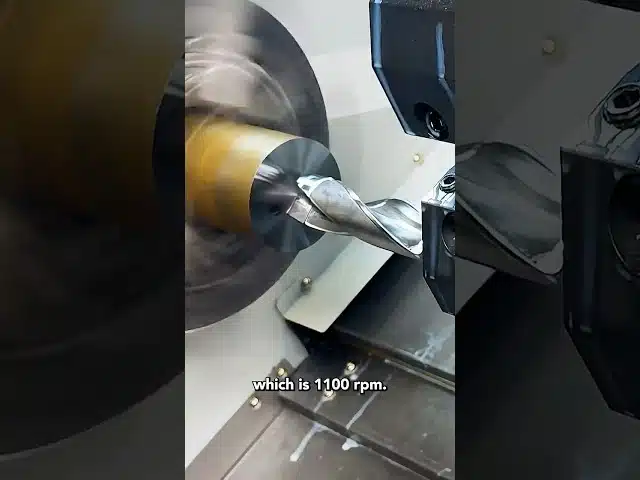
In the world of CNC machining, there’s a fine line between ambitious and reckless. And then there are the cuts that separate the truly capable machines from the rest of the pack. In a recent video from **Donnie Hinske**, we get a front-row seat to exactly that kind of moment — a machining operation so demanding that it would stall lesser machines in their tracks.
## When Power and Rigidity Matter Most
Every CNC machinist knows the feeling: you set up an aggressive cut, hit cycle start, and hold your breath. The spindle loads up, the machine groans, and you find out very quickly whether your setup — and your machine — are up to the challenge.
The phrase “this will stall lesser machines” isn’t just bravado. It’s a reality check that speaks to the fundamental engineering differences between entry-level CNC equipment and heavy-duty, industrial-grade machines. When you’re pushing deep cuts, heavy feed rates, or working with tough materials, the machine’s spindle power, torque curve, structural rigidity, and drive system all come into play.
## What Causes a CNC Machine to Stall?
For those unfamiliar with the concept, a stall occurs when the cutting forces exceed what the machine’s spindle motor or axis drives can handle. Here are the primary factors:
– **Insufficient spindle torque** – Especially at lower RPMs, many machines simply can’t deliver the torque needed for heavy hogging operations.
– **Lack of structural rigidity** – Lighter machines flex under load, leading to chatter, poor surface finish, and potential stalling.
– **Inadequate drive systems** – Ball screws, linear guides, and servo motors all need to be robust enough to maintain feed rates under heavy load.
– **Poor chip evacuation** – When chips pack into the cut, the effective cutting forces skyrocket, overwhelming the machine.
## The Risk Factor
As Donnie’s hashtags suggest — **#risk** — there’s always an element of danger when pushing a machine to its limits. Aggressive cuts can lead to:
– Broken tools (and the projectile hazards that come with them)
– Workpiece movement if fixturing isn’t bulletproof
– Spindle damage from sustained overload conditions
– Scrapped parts that represent hours of setup and material cost
Experienced machinists like Donnie understand these risks and mitigate them through proper setup, tooling selection, and intimate knowledge of their machine’s capabilities. It’s not about being reckless — it’s about knowing exactly where the line is and running right up to it.
## Why Heavy Cuts Matter in Production
You might wonder: why not just take lighter cuts and play it safe? In a production environment, time is money. Material removal rate (MRR) directly impacts cycle time, and cycle time directly impacts profitability. A machine that can hog out material twice as fast as a competitor effectively doubles throughput.
This is why shops invest in heavy-duty, high-torque CNC machines. The upfront cost is higher, but the return on investment comes through:
– **Faster cycle times** and higher throughput
– **Fewer operations** — heavy cuts can sometimes eliminate roughing passes
– **Better tool life** — a rigid machine transmits less vibration to the cutting tool
– **Consistent quality** — less deflection means tighter tolerances
## Lessons for Every Machinist
Whether you’re running a desktop CNC router or a 20,000-pound VMC, there are universal takeaways from watching operations like this:
1. **Know your machine’s limits** — Study the torque curves, understand the spindle power ratings, and learn where your machine performs best.
2. **Invest in quality tooling** — The best machine in the world can’t compensate for a dull or inappropriate cutter.
3. **Fixturing is everything** — Your workholding needs to be as strong as your machine. A stalled machine is bad; a launched workpiece is catastrophic.
4. **Start conservative, then push** — There’s no shame in working up to aggressive parameters incrementally.
5. **Listen to your machine** — Experienced machinists can hear when a cut is right and when it’s about to go wrong.
## Final Thoughts
Donnie Hinske’s video is a satisfying reminder of what a capable CNC machine can do when it’s pushed hard by a skilled operator. It’s the kind of content that makes machinists nod in appreciation and reminds us all why machine selection, setup quality, and operator expertise matter so much in this trade.
Not every machine can handle cuts like this — and that’s exactly the point. When the going gets tough, the tough machines keep spinning.
Want to see the full operation in action? Check out the video above and see for yourself what it takes to push a CNC machine to its limits without flinching.
What Should I Do Right Now?
If you’re evaluating new machining processes or equipment, our team can help you determine the best approach for your specific parts, offering guidance, insights, and practical recommendations based on your production needs and goals. Whether you’re optimizing existing workflows or exploring new manufacturing methods, we’re here to support your decision-making.
You Might Also Like
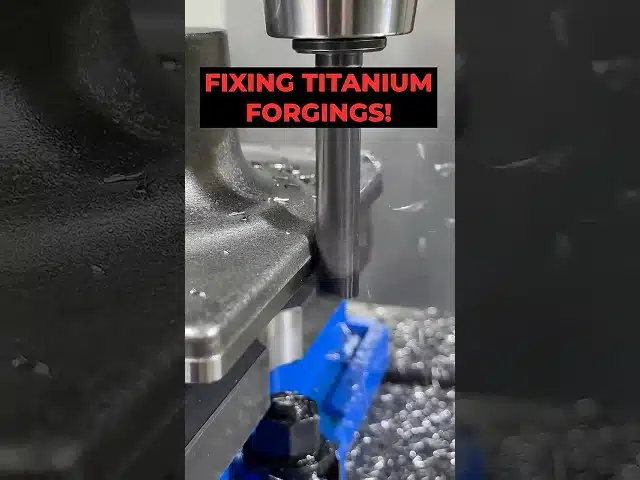
Fixing Titanium Forgings with CNC Machining: Challenges, Techniques & Expert Tips
# Fixing Titanium Forgings: The Art and Science of CNC Machining Titanium forgings are among the most challenging workpieces in the world of CNC machining.…
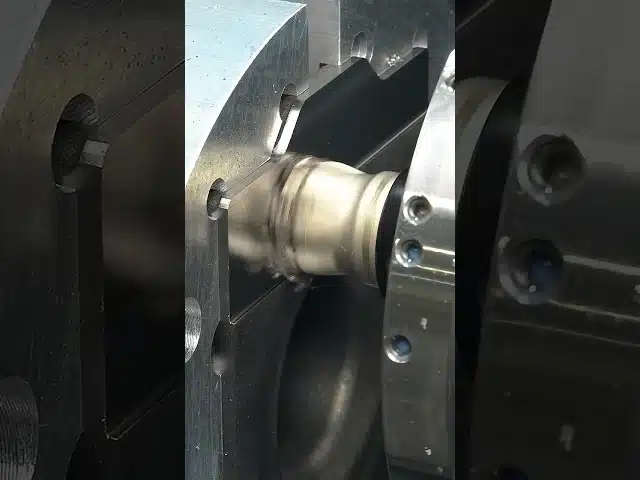
EATER of Titanium: Watch This CNC Machine Devour Titanium Like Butter
# EATER of Titanium: The CNC Machine That Devours the Toughest Metal There’s something deeply satisfying about watching a CNC machine tear through titanium like…
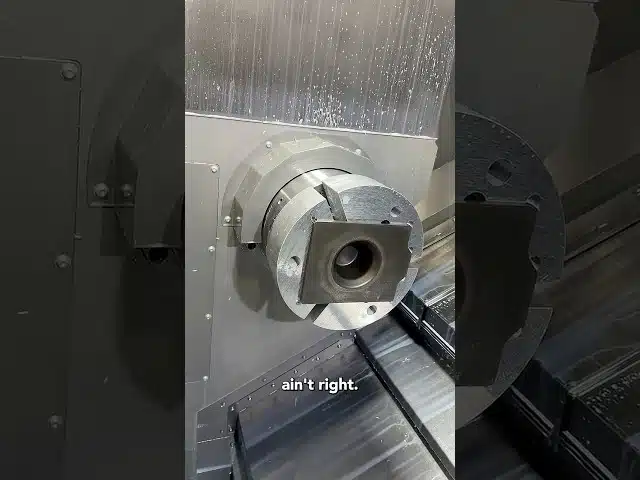
Crazy Titanium CNC Machining Part – Day 1 | Donnie Hinske’s Epic Build
# Crazy Titanium Part | Day 1: The CNC Machining Journey Begins There’s something deeply satisfying about watching raw titanium transform into a precision-engineered component…