






# Is This Forwards or Backwards? The Fascinating World of Back Turning in CNC Swiss Machining
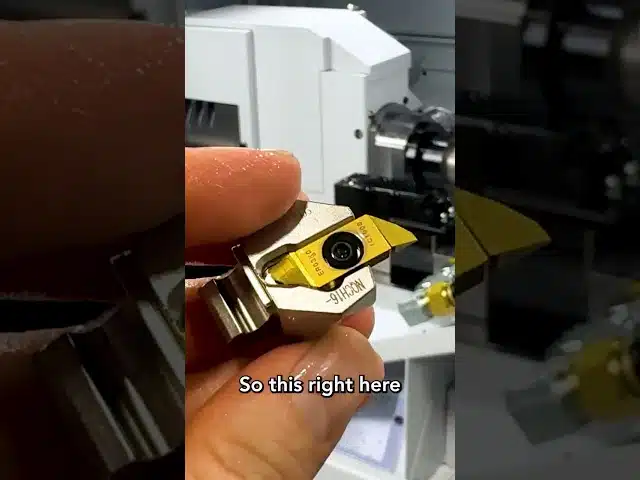
If you’ve ever watched a CNC Swiss machine in action, you know it can be mesmerizing — and sometimes downright confusing. In a recent video from machinist Donnie Hinske, viewers are treated to a process that makes even experienced machinists do a double-take: **back turning**.
The question says it all: *Is this forwards or backwards?*
## What Is Back Turning?
Back turning is a specialized CNC machining technique commonly used in Swiss-type lathes. Unlike conventional turning, where the cutting tool engages the workpiece from the front (headstock side), back turning involves machining the part from the opposite direction — essentially cutting features on the back side of the workpiece while it’s still held in the machine.
At first glance, back turning can look like the machine is running in reverse. The tool approaches the material from what seems like the “wrong” direction, and the chip flow can appear counterintuitive. But make no mistake — this is a deliberate, highly precise operation that plays a critical role in producing complex parts in a single setup.
## Why Is Back Turning Important in Swiss Machining?
Swiss-type CNC lathes are renowned for their ability to produce small, intricate parts with exceptional precision. They’re the go-to machines in industries like medical device manufacturing, aerospace, electronics, and watchmaking. Here’s why back turning is such a valuable technique in this context:
### 1. **Complete Parts in One Setup**
One of the biggest advantages of Swiss machining is the ability to complete a part without removing it from the machine. Back turning allows machinists to work on features that would otherwise require a second operation or a completely different setup. This reduces handling, improves accuracy, and cuts down on cycle times.
### 2. **Tighter Tolerances**
Every time you remove a part from a machine and re-chuck it, you introduce the potential for error. By performing back turning operations on a Swiss lathe, you maintain the datum references established during the initial setup. This translates to tighter tolerances and better concentricity.
### 3. **Reduced Cycle Time and Cost**
Eliminating secondary operations means fewer machines, fewer setups, and less labor. For high-volume production runs — which Swiss machines are often used for — these savings add up quickly.
### 4. **Complex Geometry Made Simple**
Back turning opens the door to machining features like back-facing shoulders, chamfers, grooves, and even threads on the back side of a part. Without this capability, achieving these features would require creative fixturing or additional equipment.
## How Does Back Turning Work?
In a typical Swiss-type lathe, the workpiece is fed through a guide bushing and held by the main spindle. After the front-side operations are completed, the part is handed off to a sub-spindle (also called a secondary or back spindle). The sub-spindle grips the part, the cutoff tool separates it from the bar stock, and then back turning operations commence.
During back turning, the sub-spindle rotates the part while dedicated back-working tools engage the freshly cut end. These tools can perform turning, drilling, milling, threading, and more — all on the back side of the part.
The visual effect, as Donnie Hinske’s video brilliantly demonstrates, can be disorienting. The direction of tool engagement and chip evacuation looks reversed compared to what you’d expect from conventional turning. It’s one of those machining moments that makes you pause and ask, “Wait… is that forwards or backwards?”
## The Art and Science of Swiss Machining
Back turning is just one of many techniques that make Swiss machining such a powerful manufacturing process. Modern Swiss-type CNC lathes can have upwards of 10+ axes, multiple spindles, and a dizzying array of live tools. They’re capable of producing finished parts that drop out of the machine ready for inspection — no secondary operations required.
For machinists like Donnie Hinske, showcasing these techniques helps demystify the craft and inspire the next generation of CNC professionals. Whether you’re a seasoned machinist or someone who’s just curious about how things are made, watching back turning in action is a reminder of how sophisticated modern manufacturing has become.
## Watch It in Action
Seeing is believing when it comes to back turning. Check out Donnie Hinske’s video to see this technique in action and decide for yourself — is it forwards or backwards?
👉 [Watch the video here](https://www.youtube.com/watch?v=YTRA-nwDoh8)
## Final Thoughts
Back turning might look like the machine is doing things in reverse, but it’s actually a forward-thinking approach to precision manufacturing. It exemplifies the ingenuity that goes into CNC Swiss machining — where every tool movement, every axis, and every spindle is optimized to produce the best possible part in the least amount of time.
So the next time someone asks, “Is this forwards or backwards?” — you’ll know the answer. It’s back turning, and it’s one of the coolest techniques in the machinist’s toolkit.
—
*Interested in learning more about CNC machining techniques? Stay tuned for more breakdowns of the processes that power modern manufacturing.*
What Should I Do Right Now?
If you’re evaluating new machining processes or equipment, our team can help you determine the best approach for your specific parts, offering guidance, insights, and practical recommendations based on your production needs and goals. Whether you’re optimizing existing workflows or exploring new manufacturing methods, we’re here to support your decision-making.


You Might Also Like
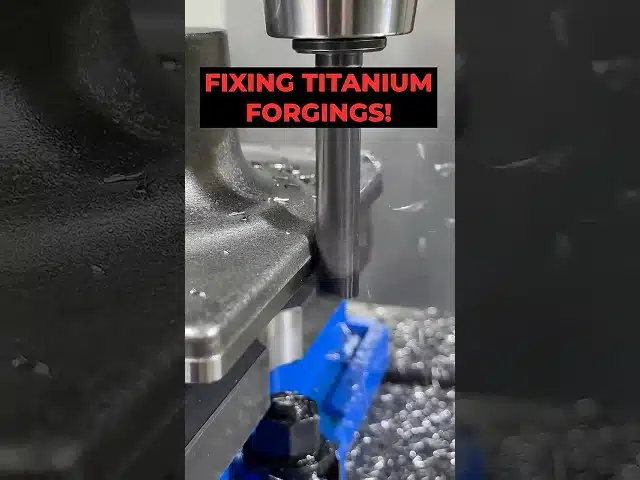
Fixing Titanium Forgings with CNC Machining: Challenges, Techniques & Expert Tips
# Fixing Titanium Forgings: The Art and Science of CNC Machining Titanium forgings are among the most challenging workpieces in the world of CNC machining.…
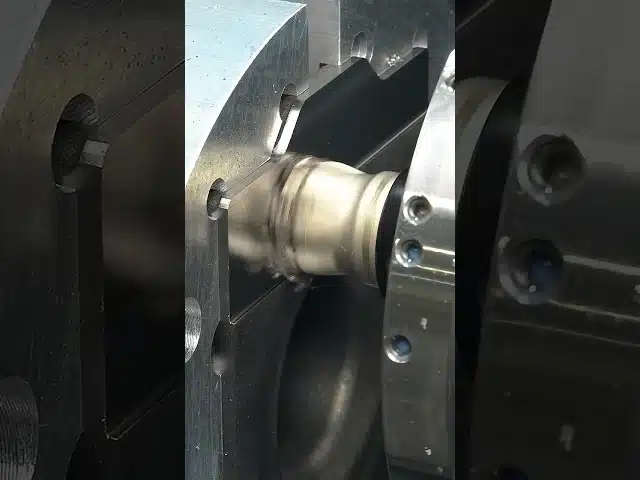
EATER of Titanium: Watch This CNC Machine Devour Titanium Like Butter
# EATER of Titanium: The CNC Machine That Devours the Toughest Metal There’s something deeply satisfying about watching a CNC machine tear through titanium like…
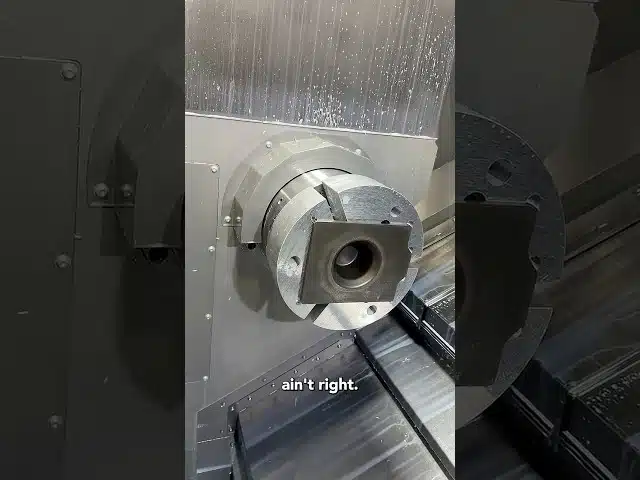
Crazy Titanium CNC Machining Part – Day 1 | Donnie Hinske’s Epic Build
# Crazy Titanium Part | Day 1: The CNC Machining Journey Begins There’s something deeply satisfying about watching raw titanium transform into a precision-engineered component…