






## The Best Way to Make Your CNC Jaws: A Complete Guide
When it comes to CNC machining, having properly made jaws for your workholding setup can make the difference between a successful project and a costly mistake. Custom soft jaws are an essential component in any machinist’s toolkit, providing secure and accurate workholding while protecting delicate parts from damage.
### Why Custom Jaws Matter
Standard hard jaws that come with most chucks are versatile, but they have limitations. Custom soft jaws offer several advantages:
– **Better grip distribution** across irregular or delicate surfaces
– **Increased accuracy** through custom-machined profiles
– **Protection** for finished surfaces
– **Repeatability** for production runs
– **Versatility** for complex part geometries
### Materials for Making Jaws
The most common materials for soft jaws include:
1. **Aluminum** – Easy to machine, lightweight, and ideal for most applications
2. **Steel** – More durable for heavy-duty applications
3. **Plastic/Delrin** – Perfect for delicate parts that require non-marring contact
4. **Brass** – Good for specific applications where aluminum might react with the workpiece
### Step-by-Step Process for Making Perfect Jaws
#### 1. Prepare Your Stock
Start with oversized jaw blanks. Ensure they’re flat and parallel. The extra material gives you room for final machining.
#### 2. Mount and True the Jaws
– Install the jaw blanks in your chuck
– Take a light facing cut to ensure they’re perfectly flat
– Bore or turn the gripping surface to match your part diameter
#### 3. Create the Profile
– Use your CNC program to machine the exact profile needed
– Leave 0.001-0.002″ for final sizing
– Consider adding relief cuts for chip evacuation
#### 4. Fine-Tune the Fit
– Test fit your part
– Make micro-adjustments as needed
– Ensure even contact across all jaws
### Pro Tips for Success
**Tip 1: Always machine jaws in the same position they’ll be used.** This ensures maximum accuracy and compensates for any chuck runout.
**Tip 2: Number your jaws.** Keep them in the same positions relative to the chuck for best repeatability.
**Tip 3: Consider serrations.** Adding small serrations can improve grip without excessive clamping force.
**Tip 4: Document your setups.** Keep records of which jaws work for which parts for future reference.
### Common Mistakes to Avoid
– **Over-tightening** – This can distort both the jaws and your workpiece
– **Insufficient relief** – Always provide clearance for tool access
– **Ignoring jaw pressure** – Uneven pressure can cause part distortion
– **Reusing worn jaws** – Replace jaws when they show signs of wear
### Advanced Techniques
For complex parts, consider:
– **Pie jaws** for irregular shapes
– **Expanding jaws** for internal gripping
– **Quick-change jaw systems** for production efficiency
– **Soft jaw overlays** for rapid changeovers
### Maintenance and Storage
Proper jaw maintenance extends their life:
– Clean after each use
– Check for burrs or damage
– Store in a organized system
– Apply light oil to prevent corrosion
### Conclusion
Making custom jaws is a fundamental skill that every CNC machinist should master. While it requires time and attention to detail, the investment pays off in improved part quality, reduced scrap rates, and increased productivity. Whether you’re running a one-off prototype or a production batch, properly made soft jaws are your key to success.
Remember, the best jaw is one that holds your part securely without distortion while providing maximum access for your cutting tools. Take the time to make them right, and they’ll serve you well for years to come.
Start with simple designs and work your way up to more complex configurations as your skills develop. With practice, making custom jaws will become second nature, and you’ll wonder how you ever managed without them.
What Should I Do Right Now?
If you’re evaluating new machining processes or equipment, our team can help you determine the best approach for your specific parts, offering guidance, insights, and practical recommendations based on your production needs and goals. Whether you’re optimizing existing workflows or exploring new manufacturing methods, we’re here to support your decision-making.
You Might Also Like
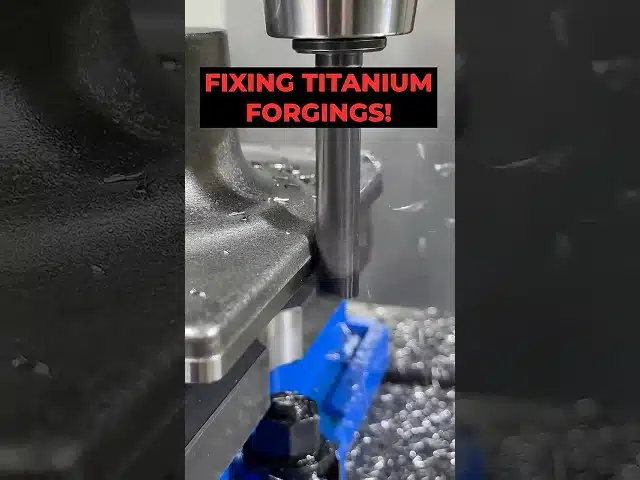
Fixing Titanium Forgings with CNC Machining: Challenges, Techniques & Expert Tips
# Fixing Titanium Forgings: The Art and Science of CNC Machining Titanium forgings are among the most challenging workpieces in the world of CNC machining.…
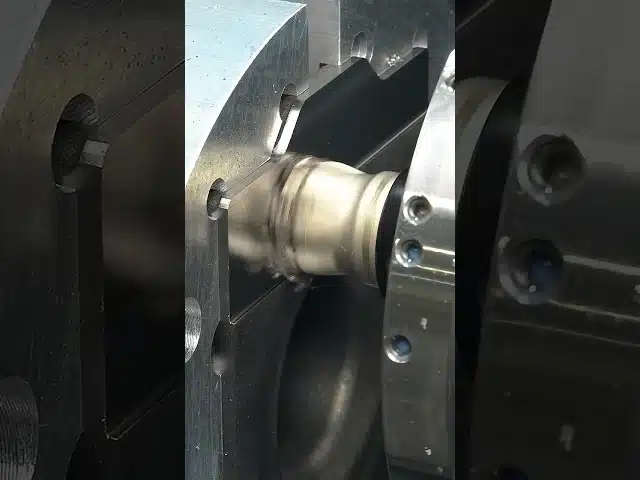
EATER of Titanium: Watch This CNC Machine Devour Titanium Like Butter
# EATER of Titanium: The CNC Machine That Devours the Toughest Metal There’s something deeply satisfying about watching a CNC machine tear through titanium like…
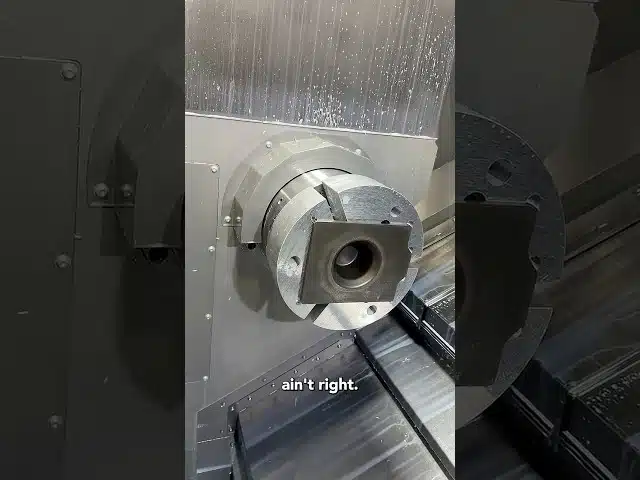
Crazy Titanium CNC Machining Part – Day 1 | Donnie Hinske’s Epic Build
# Crazy Titanium Part | Day 1: The CNC Machining Journey Begins There’s something deeply satisfying about watching raw titanium transform into a precision-engineered component…