






# PART 2: One of the Crappiest Materials to Cut – A CNC Machinist’s Perspective
Welcome back to the second part of our series on challenging materials in CNC machining. If you’re a machinist who’s ever cursed at your workpiece, this one’s for you.
## The Ongoing Battle with Difficult Materials
In the world of CNC milling, not all materials are created equal. While some metals cut like butter, others seem determined to fight you every step of the way. Today, we’re diving deeper into what makes certain materials absolute nightmares to machine.
## Common Culprits in Difficult Machining
### 1. Work-Hardening Materials
Stainless steels, particularly austenitic grades like 316, can work-harden during cutting. This means the more you cut, the harder the material becomes, creating a vicious cycle that can destroy tools and ruin parts.
### 2. Gummy Materials
Some aluminum alloys and soft plastics tend to stick to cutting tools, creating built-up edge (BUE) that affects surface finish and dimensional accuracy.
### 3. Abrasive Materials
Composites, cast iron, and materials with hard inclusions wear down tools at an alarming rate, increasing production costs and downtime.
## Tips for Tackling Tough Materials
### Tool Selection Matters
– Use sharp tools with appropriate coatings
– Consider specialized geometries designed for difficult materials
– Don’t skimp on tool quality when dealing with challenging workpieces
### Cutting Parameters
– Reduce cutting speeds for work-hardening materials
– Increase feed rates to avoid dwelling
– Use appropriate coolant strategies
### Machine Setup
– Ensure maximum rigidity in your setup
– Minimize tool overhang
– Use proper workholding to reduce vibration
## The Reality Check
Sometimes, despite our best efforts, certain materials will always be challenging. The key is understanding why they’re difficult and adapting our approach accordingly. Every experienced machinist has their horror stories about “that one material” that gave them fits.
## Learn from Experience
The best lessons in CNC machining often come from tackling the toughest jobs. Each difficult material teaches us something new about tool selection, cutting strategies, and problem-solving.
Remember, if machining was easy, everyone would do it. It’s the challenges that make us better machinists and keep the job interesting.
## Conclusion
Whether you’re dealing with exotic alloys, work-hardening stainless, or any other problematic material, the key is patience, proper preparation, and learning from each experience. Stay tuned for more insights into the world of CNC machining, where every day brings new challenges and opportunities to improve our craft.
What’s the worst material you’ve ever had to machine? Share your experiences in the comments below!
What Should I Do Right Now?
If you’re evaluating new machining processes or equipment, our team can help you determine the best approach for your specific parts, offering guidance, insights, and practical recommendations based on your production needs and goals. Whether you’re optimizing existing workflows or exploring new manufacturing methods, we’re here to support your decision-making.


You Might Also Like
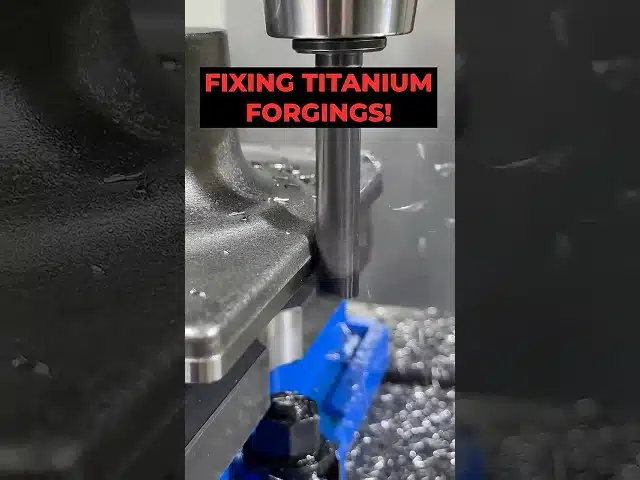
Fixing Titanium Forgings with CNC Machining: Challenges, Techniques & Expert Tips
# Fixing Titanium Forgings: The Art and Science of CNC Machining Titanium forgings are among the most challenging workpieces in the world of CNC machining.…
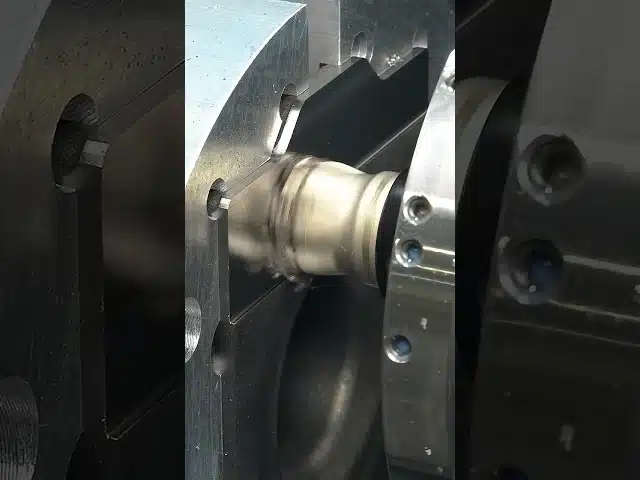
EATER of Titanium: Watch This CNC Machine Devour Titanium Like Butter
# EATER of Titanium: The CNC Machine That Devours the Toughest Metal There’s something deeply satisfying about watching a CNC machine tear through titanium like…
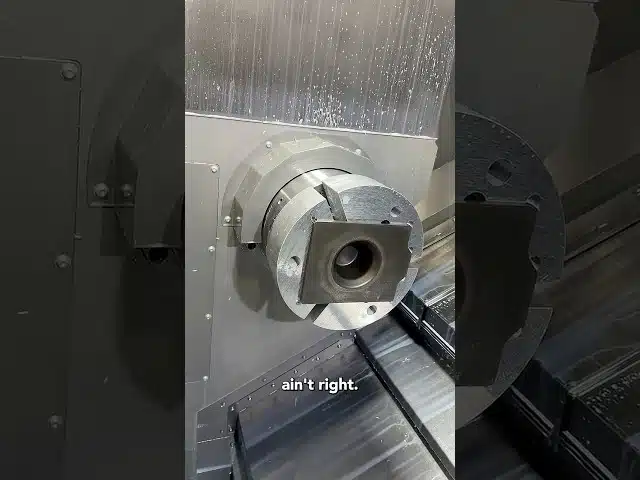
Crazy Titanium CNC Machining Part – Day 1 | Donnie Hinske’s Epic Build
# Crazy Titanium Part | Day 1: The CNC Machining Journey Begins There’s something deeply satisfying about watching raw titanium transform into a precision-engineered component…